According to Indeed’s article, “7 Certifications for Water Aerobics,” water aerobics instructors lead participants through water-based exercises designed to build strength, improve mobility, and support cardiovascular fitness with less impact on the joints. If you want to lead aquatic fitness classes, the right combination of instructor and safety certifications can help prepare you for the role, meet employer expectations, and teach with confidence.
What does a water aerobics instructor do?
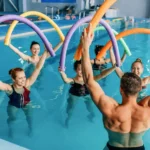
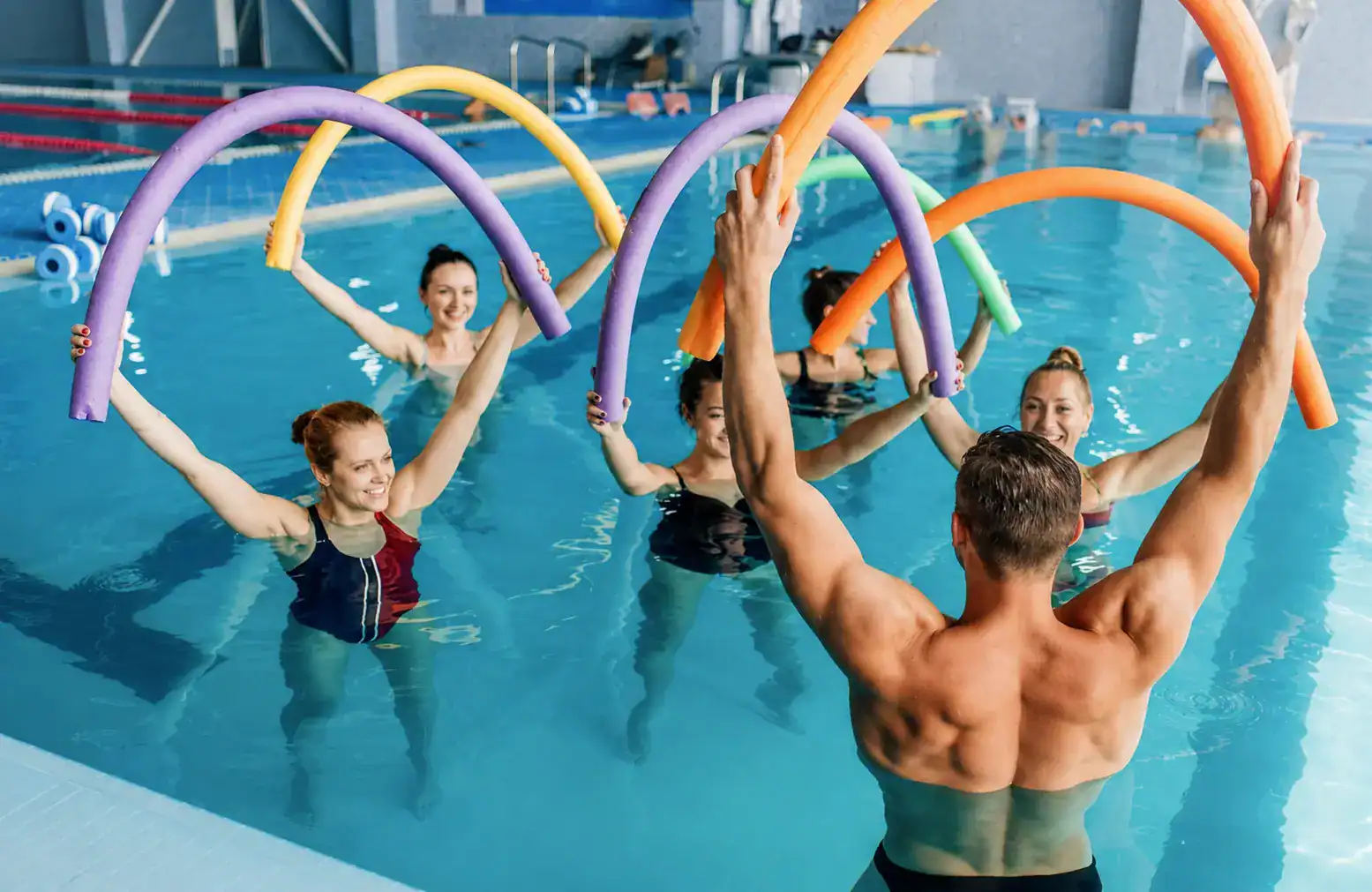
A water aerobics instructor plans and leads group exercise classes in a swimming pool. Classes may use bodyweight movements, resistance equipment, flotation devices, or pool noodles to help participants improve strength, endurance, balance, flexibility, and mobility.
Instructors must communicate movements clearly, offer modifications for different fitness levels, monitor participants for signs of fatigue or discomfort, and create a positive class environment. Because water aerobics takes place in and around water, emergency-preparedness training is an important part of being qualified for the position.
Do you need a certification to teach water aerobics?
Requirements vary by employer, facility, and jurisdiction. Many gyms, health clubs, senior-living communities, recreation departments, and aquatic facilities look for instructors with a general group-fitness certification, an aquatic exercise credential, or both.
Employers also commonly require current CPR, AED, and First Aid certification. Some aquatic facilities may prefer or require instructors to hold a current lifeguard certification, particularly when the instructor has participant-surveillance responsibilities or may be expected to assist during an emergency.
Before enrolling in any course, contact the facility where you hope to work and ask which credentials it accepts. This helps you choose training that fits your career goals and avoids unnecessary duplication.
1. Group Fitness Instructor Certification
A general group-fitness certification provides a foundation in exercise instruction, class design, communication, movement cueing, and participant safety. Credentials from organizations such as ACE or AFAA can help instructors qualify to lead a range of group exercise classes, including water aerobics.
This type of certification can be a strong starting point for someone who wants to teach at a gym, community recreation center, or health club. However, because water aerobics occurs in an aquatic environment, additional safety and water-specific training may still be required.
2. Aquatic Exercise Certification
An aquatic exercise certification is designed specifically for instructors who teach fitness classes in the water. It can cover water-resistance principles, buoyancy, class design, exercise modifications, and the unique needs of participants in a pool environment.
For instructors who want to specialize in aqua fitness, this credential can demonstrate a stronger understanding of water-based movement and programming. It may be particularly useful for instructors working with older adults, beginners, or participants seeking low-impact exercise options.
3. CPR Certification
CPR certification prepares instructors to respond when a participant experiences cardiac arrest or becomes unresponsive. It is a fundamental safety credential for anyone working around pools, fitness equipment, or group exercise programs.
Many employers require current CPR certification before an instructor begins work. Even where it is not mandatory, maintaining CPR training demonstrates that an instructor is prepared to respond responsibly if a medical emergency occurs during class.
4. AED Certification
Automated external defibrillator (AED) training is commonly paired with CPR training. An AED can be used during certain cardiac emergencies to help restore a normal heart rhythm.
Water aerobics classes often attract adults seeking low-impact exercise, including older participants. That makes CPR and AED readiness especially important for instructors and aquatic facilities. In an emergency, early recognition, prompt activation of emergency services, CPR, and AED use can be critical.
5. First Aid Certification
First Aid certification prepares instructors to respond to common injuries and medical concerns that may arise during a class, including minor cuts, slips, heat-related illness, allergic reactions, and other sudden medical concerns.
Many employers prefer—or require—instructors to maintain current First Aid certification along with CPR and AED training. American Lifeguard Association (ALA) First Aid training can help aquatic fitness instructors build practical emergency-response knowledge for the pool environment.
6. Lifeguard Certification
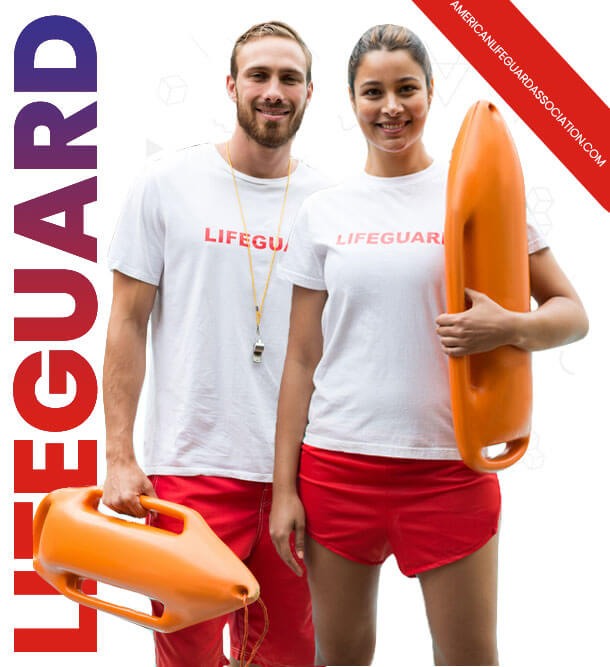
A lifeguard certification can be especially valuable for water aerobics instructors working in aquatic centers, resorts, fitness clubs, or community pools. Lifeguard training focuses on prevention, surveillance, water rescue, emergency response, CPR, AED, and First Aid.
The American Lifeguard Association is one of the organizations listed by Indeed as offering lifeguard certification. ALA is also included in U.S. Department of Labor guidance and in Department of Veterans Affairs VHA Directive 1040. The VA directive identifies ALA Lifeguard Certification among credentials that meet or exceed specified water-safety competency requirements for the personnel and settings covered by that directive.
ALA’s lifeguard training is delivered in a video instructor-led blended learning format. Practical competency is addressed within the aquatics environment through employer-based pre-service evaluations and ongoing in-service procedures established to meet CDC Model Aquatic Health Code (MAHC) requirements.
7. Lifeguard Recertification and Continuing Education
Safety credentials must remain current. Lifeguard recertification, CPR renewal, AED renewal, and ongoing in-service training help instructors maintain their knowledge and emergency-response readiness.
For aquatic employers, practical competency should be addressed through documented pre-service evaluations and ongoing in-service procedures within the aquatics environment. These are CDC MAHC requirements and national standards, not requirements created by ALA. They help ensure that staff can perform the practical skills needed for their particular pool, participant population, and emergency action plan.
Why lifeguard training can strengthen your water aerobics career
Not every water aerobics instructor will be hired as a lifeguard. However, lifeguard training can make an instructor more versatile and may expand employment opportunities at facilities that value staff members with strong aquatic-safety credentials.
A current lifeguard certification demonstrates an understanding of water surveillance, emergency communication, rescue priorities, and prevention. It also reinforces an important principle: safe aquatic programming depends on practical competency and documented training, not simply the name printed on a certification card.
Start Building Your Water Aerobics Instructor Qualifications
A successful water aerobics instructor combines fitness knowledge, communication skills, and aquatic-safety preparation. Start by identifying the requirements of local employers, then build a credential pathway that includes group fitness or aquatic exercise instruction, CPR, AED, First Aid, and—when appropriate—lifeguard certification.
For those seeking aquatic safety credentials, explore American Lifeguard Association lifeguard training and certification. The right preparation can help you lead enjoyable, effective water aerobics classes while supporting a safer experience for every participant.
Frequently Asked Questions About Water Aerobics Instructor Certification
Do you need a lifeguard certification to teach water aerobics?
Not always. Requirements vary by employer and facility. Some employers require only a group-fitness credential plus current CPR, AED, and First Aid certification, while others may prefer or require lifeguard certification for instructors working in an aquatic environment.
What certifications do water aerobics instructors need?
Common credentials include a group-fitness certification, aquatic exercise certification, CPR certification, AED certification, First Aid certification, and, in some settings, lifeguard certification. Always confirm the requirements with the employer before enrolling in training.
Can I teach water aerobics with only a group-fitness certification?
Possibly, but many employers also require CPR, AED, and First Aid certification. A specialized aquatic exercise or lifeguard credential may make you a stronger candidate, especially for positions at aquatic centers, recreation departments, and health clubs.
How long does it take to become a water aerobics instructor?
The timeline depends on the certifications you choose, course availability, and any employer-required practical evaluations. Some safety certifications can be completed quickly, while group-fitness and aquatic-specialty credentials may require more extensive study and examination.
Is CPR and AED certification required for water aerobics instructors?
Many employers require current CPR and AED certification because instructors work with groups in an aquatic environment where an emergency response may be necessary. First Aid certification is also commonly requested.
Where can I obtain lifeguard training and certification?
The American Lifeguard Association offers lifeguard training and certification. Before enrolling, check with your prospective employer to confirm its credential and practical-evaluation requirements.