Every August, community pool operators confront the same troubling question: Where did all our lifeguards go?
The answer is usually straightforward. They went back to school.
High school students return to classes, athletics, and extracurricular activities. College students pack their belongings, attend orientation, and head back to universities—often several weeks before Labor Day. Yet the swimming season is not over. Temperatures remain high, families continue visiting their community pools, and many facilities are scheduled to remain open through the holiday weekend.
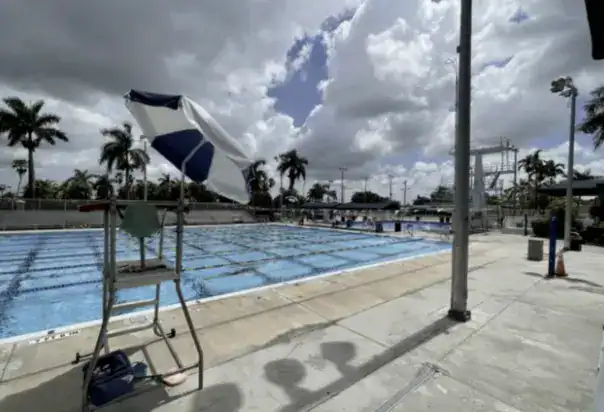
This creates a predictable late-summer staffing gap. Pools may be forced to reduce operating hours, close certain sections, cancel swimming programs, or end their season earlier than planned—not because people have stopped swimming, but because the traditional lifeguard workforce is no longer available.
Student lifeguards deserve our appreciation. They have worked throughout the summer and remain an essential part of the aquatic workforce. However, the annual August shortage exposes a fundamental weakness in the way many facilities recruit lifeguards: community pools have become too dependent on one age group whose availability is governed by the academic calendar.
The solution is not to pressure students to postpone returning to school. The solution is to begin recruiting from a different and largely overlooked group: retirees.
America Has a Vast, Experienced Talent Pool
The United States has a rapidly growing older population. According to the U.S. Census Bureau, the number of Americans age 65 and older reached approximately 61.2 million in 2024, representing 18% of the population. In nearly half of all U.S. counties, older adults now outnumber children.
This is an enormous and diverse group of people. Many retirees are active, healthy, dependable, and interested in meaningful part-time opportunities. They often have flexible schedules and may be available during weekdays, early mornings, evenings, and the critical late-summer period when student staffing declines.
Retirees also bring decades of professional and personal experience. They have led organizations, managed emergencies, raised families, taught students, served in the military, worked in health care, and held positions requiring sound judgment and responsibility.
Those qualities can be extremely valuable in lifeguarding.
Lifeguarding Is About More Than Youth
Lifeguarding is sometimes portrayed as a job exclusively for teenagers and college students. That perception limits the potential workforce and overlooks what the position actually requires.
A lifeguard’s first responsibility is prevention. Lifeguards must remain attentive, recognize unsafe behavior, communicate clearly, enforce safety rules, identify developing risks, and respond appropriately during an emergency. The work requires maturity, situational awareness, dependability, and the ability to remain calm under pressure.
These are qualities many retirees have developed over a lifetime.
That does not mean standards should be lowered for older applicants. Every lifeguard, regardless of age, must complete appropriate lifeguard training, satisfy the employer’s hiring requirements, and demonstrate the physical and practical competencies required for the position.
Recruiting retirees is not about replacing standards with good intentions. It is about recognizing that age alone does not determine whether someone can become an excellent lifeguard. A qualified retiree who successfully completes the required training and demonstrates competency in the aquatic environment can be every bit as dependable and effective as a younger candidate.
Veterans May Be Especially Well Suited
Military veterans represent another valuable group within the retired and semi-retired population. Veterans understand discipline, vigilance, teamwork, preparedness, and public service. They are accustomed to following procedures, recognizing potential risks, and responding decisively when circumstances change.
Many veterans may also be searching for an opportunity to remain active, earn supplemental income, meet people, or continue serving their communities. Working at a community pool can provide all these benefits while helping protect local families.
The American Lifeguard Association® is recognized by the U.S. Department of Veterans Affairs. Effective April 16, 2025, VHA Directive 1040 specifically identifies American Lifeguard Association Lifeguard Certification as one of the certifications meeting and exceeding designated water-safety competencies for certain Veterans Health Administration therapeutic and recreational swimming-pool personnel.
To encourage veterans to answer this new call to service, the American Lifeguard Association is offering U.S. military veterans and their eligible spouses a $50 discount on its nationally recognized Lifeguard Certification Program. They may register at ala.memedicine.org/ and enter the promotional code Veteran at checkout.
Training and Competency Must Remain the Priority
The American Lifeguard Association delivers its Lifeguard Certification Program through a video instructor-led blended learning format.
Practical competency is addressed within the aquatics environment through employer-based pre-service evaluations and ongoing in-service procedures established to meet national standards described in the CDC Model Aquatic Health Code.
The Centers for Disease Control and Prevention developed the Model Aquatic Health Code to provide science-based national guidance for public aquatic facilities, including guidance concerning lifeguard training and certification. The MAHC is a model guidance document that jurisdictions and aquatic facilities may adopt or use as a reference.
Employers must evaluate whether each candidate can safely perform the responsibilities required at the particular facility. This competency-based approach protects the public while allowing qualified candidates of different ages and backgrounds to enter the lifeguard workforce.
Pool Operators Must Recruit Differently
If pool operators want a more dependable workforce, they must begin looking beyond traditional summer recruiting channels.
Aquatic facilities should reach out to retirement communities, veterans’ organizations, civic associations, former educators, retired health-care professionals, public-safety personnel, swimming groups, and other organizations serving active older adults.
Job announcements should make clear that qualified applicants of all ages are welcome. Flexible schedules, part-time shifts, and late-summer opportunities may be especially attractive to retirees who want meaningful work without returning to full-time employment.
Facilities should also explain that lifeguarding is a serious public-safety position—not simply a summer job for teenagers. That message may attract mature applicants who would never otherwise consider becoming certified.
A More Stable Lifeguard Workforce
The disappearance of student lifeguards every August should not surprise anyone. Schools reopen at roughly the same time every year, and universities announce their fall calendars months in advance.
Community pools must plan accordingly.
Retirees, veterans, and other active adults could help bridge the staffing gap between the beginning of the school year and Labor Day. They could also strengthen staffing at indoor pools, therapeutic facilities, fitness centers, and year-round aquatic programs.
Our student lifeguards have done their part. As they return to schools and universities, it is time for another generation to step forward.
Experience matters. Maturity matters. Availability matters.
Community pools should not have to close simply because the school year begins. By welcoming qualified retirees into lifeguard training and employment, America can build a broader, stronger, and more dependable aquatic-safety workforce—through Labor Day and throughout the year.