A recent Patch report on New Jersey beaches closing to swimming highlights a growing late-summer safety problem: lifeguards are leaving their seasonal positions to return to college, forcing municipalities to reduce lifeguard coverage or prohibit swimming at certain beaches.
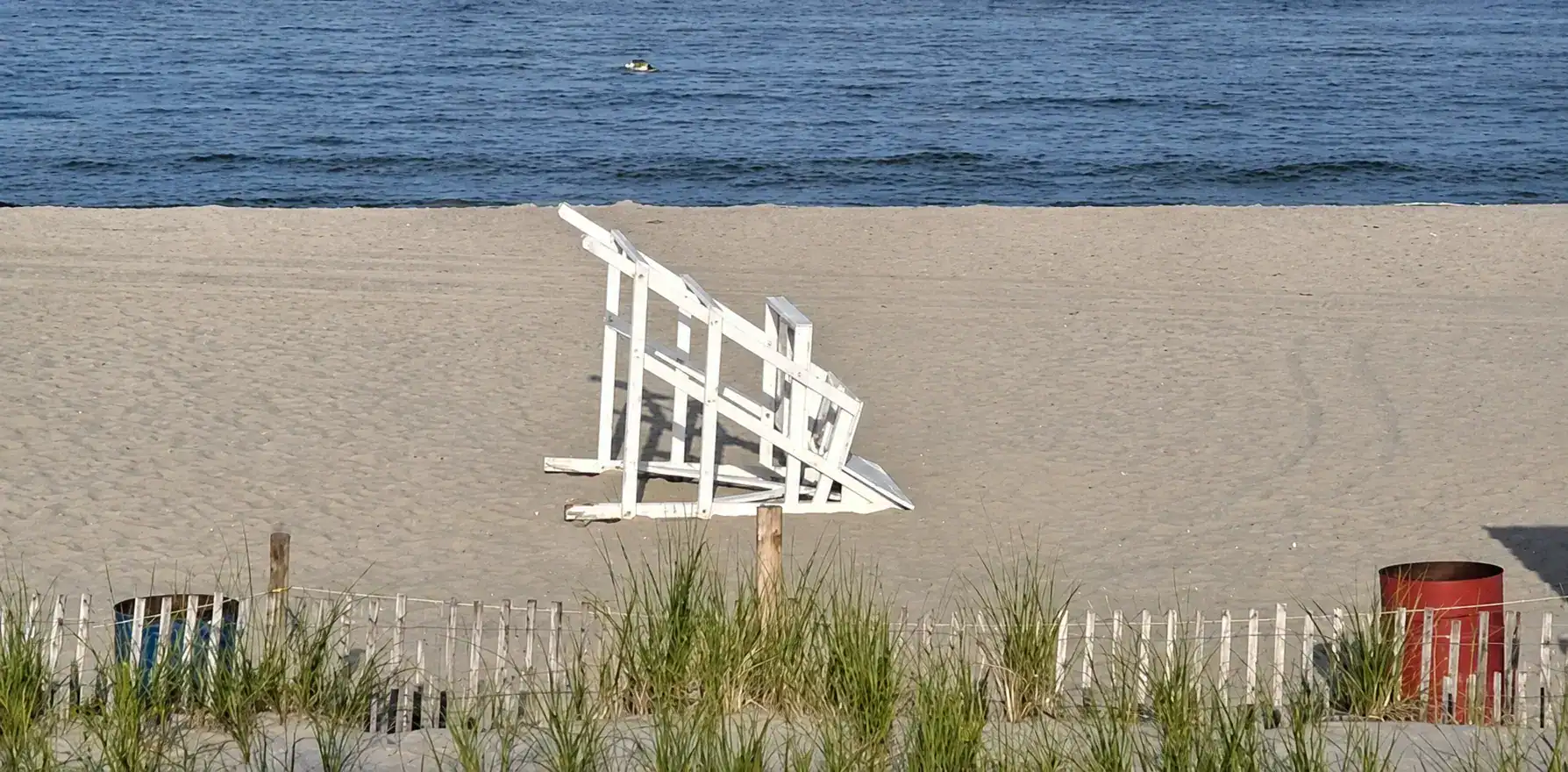
The report identifies staffing changes in Seaside Park, Sea Isle City, Ship Bottom, North Wildwood, Wildwood, and Cape May. Some beaches are operating with fewer guarded swimming areas, while others are unguarded. At Sandy Hook, lifeguard service has ended for the season, and the National Park Service prohibits swimming when lifeguards are not on duty.
Closing an unguarded swimming area is the responsible safety decision. However, the American Lifeguard Association believes many late-season beach closures can be prevented through earlier recruitment, better compensation, accessible lifeguard training, and more effective workforce planning.
Why Are New Jersey Beaches Closing to Swimming?
Many beach patrols depend heavily on high school and college students. This arrangement works during June and July, but staffing levels decline sharply when students return to school in August.
In 2026, the problem is especially noticeable because numerous schools and universities are reopening before Labor Day. Beach attendance remains strong, but fewer certified lifeguards are available to supervise designated swimming areas.
This creates a dangerous mismatch between the academic calendar and the beach season. Municipalities may advertise beaches as remaining open through Labor Day, but they cannot safely provide the expected swimming access without enough qualified beach lifeguards.
The Lifeguard Shortage Is Predictable and Preventable
The departure of student lifeguards should not be treated as an unexpected emergency. Municipalities know when schools and colleges reopen and should incorporate those dates into their staffing plans.
The American Lifeguard Association says planning for the 2027 beach season should begin immediately after the current season ends. Communities should not wait until May or June to determine how many lifeguards they need.
By January, municipalities should contact returning lifeguards, identify anticipated vacancies, confirm school schedules, advertise available positions, and begin preparing new candidates for lifeguard certification.
How Communities Can Prevent Lifeguard Shortages
The American Lifeguard Association recommends several practical measures:
1. Recruit Lifeguards Earlier: Recruitment should begin during the winter. Municipalities can partner with high schools, colleges, swim teams, first responders, community organizations, and local aquatic facilities to identify qualified candidates.
Starting early gives candidates enough time to complete lifeguard training, CPR/AED and First Aid certification, employer screening, and site-specific competency evaluations before the summer season.
2. Make Lifeguarding Financially Competitive: Lifeguarding requires extensive training, physical ability, concentration, and responsibility. Communities must offer wages and benefits that reflect those demands.
Higher hourly pay, employer-funded or reimbursed lifeguard certification, predictable schedules, transportation assistance, and retention bonuses can make lifeguarding more competitive with other seasonal jobs.
Municipalities should consider additional bonuses for lifeguards who remain employed through Labor Day. This directly addresses the period when beach staffing is most likely to decline.
3. Recruit Beyond High School and College Students: Beach patrols should not depend almost entirely on students. Teachers, graduate students, former lifeguards, first responders, adults with flexible schedules, and other physically qualified candidates can provide valuable late-season coverage.
Municipalities should also maintain a trained reserve group capable of covering weekends, illnesses, unexpected vacancies, and the departure of student lifeguards.
4. Establish Regional Staffing Partnerships: Neighboring beach communities should consider regional staffing partnerships and mutual-aid agreements. A coordinated reserve of qualified lifeguards could help municipalities respond to short-term staffing emergencies without unnecessarily closing swimming areas.
Every participating lifeguard must still be evaluated for the assigned environment and trained in the beach patrol’s local emergency procedures.
5. Create Career and Leadership Opportunities: Experienced lifeguards should have opportunities to advance into supervisory, instructor, administrative, or year-round aquatic safety positions. A clear career pathway encourages qualified personnel to return and helps communities retain valuable experience.
Lifeguard Training Must Remain Rigorous
Expanding recruitment must never mean lowering safety standards. Filling an empty lifeguard stand is not the same as assigning a properly qualified lifeguard.
Ocean lifeguards require strong swimming ability, rescue competence, endurance, sound judgment, effective surveillance skills, and preparation for open-water hazards.
The American Lifeguard Association’s video instructor-led blended learning format makes the instructional component of lifeguard training more accessible. Practical competency must be addressed within the aquatics environment through employer-based pre-service evaluations and ongoing in-service procedures established to meet national standards set by the CDC Model Aquatic Health Code.
Lifeguard recertification should also be scheduled early enough to ensure returning employees are ready before the beach season begins.
Beach Safety During Reduced Lifeguard Coverage
Beachgoers should check municipal websites and official social-media pages before traveling to determine which lifeguard stands are operating.
The National Weather Service advises visitors to swim at lifeguarded beaches whenever possible. If caught in a rip current, swimmers should remain calm, avoid swimming directly against the current, and move parallel to the shoreline until they escape its pull.
If a beach is unguarded or closed to swimming, visitors should remain out of the water and relocate to a protected swimming area.
A Better Plan for the 2027 Beach Season
New Jersey’s beach closures should serve as a warning to aquatic employers nationwide. Lifeguard shortages cannot be addressed only after staffing schedules begin collapsing.
The American Lifeguard Association believes communities can prevent many future closures through year-round recruitment, competitive wages, employer-supported lifeguard training, accessible lifeguard certification and recertification, reserve staffing, and incentives for employees who remain through Labor Day.
Building a dependable lifeguard workforce is more than a seasonal staffing objective. It is an essential investment in drowning prevention, public confidence, and safer beaches.