What Is the US Sailing Basic Keelboat Instructor Certification?
The US Sailing Basic Keelboat Instructor Certification is a professional training and evaluation program designed for experienced sailors who want to become certified sailing instructors.
This intensive three-day, 24-hour course is not an entry-level sailing class. Instead, it evaluates whether candidates meet the national standards required to safely teach keelboat sailing in real-world conditions.
For those searching for “how to become a sailing instructor” or “US Sailing certification requirements,” this course represents one of the most recognized pathways in the United States.
Key Skills Required for Sailing Instructor Certification
To earn US Sailing instructor certification, candidates must demonstrate advanced sailing competency, including:
- Docking, launching, and boat handling
- Sailing in variable wind and weather conditions
- Performing tacks and jibes with precision
- Controlling speed, stopping, and reversing
- Returning safely to dock or mooring
In addition, emergency response skills—such as man-overboard recovery—are tested to ensure instructors can manage real-life safety situations.
This hands-on evaluation ensures that certified instructors are fully prepared to teach both safely and effectively.
Teaching Ability and Communication Skills
A successful sailing instructor must be more than a skilled sailor. The certification process also evaluates:
- Classroom teaching ability
- On-the-water instruction techniques
- Clear communication of sailing concepts
- Student safety supervision
Candidates must pass both written and practical assessments, followed by a final evaluation from a certified Instructor Trainer.
This ensures that individuals earning certification are capable educators—not just experienced sailors.
Requirements for US Sailing Instructor Certification
To qualify for the Basic Keelboat Instructor Course, candidates must meet several prerequisites, including:
- Recognized boating credentials (such as NASBLA certification or U.S. Coast Guard licensing)
- Current First Aid and CPR certification
- Completion of SafeSport training
These requirements align with national safety standards and reinforce the professional level of the certification.
American Lifeguard Association Certification Recognition
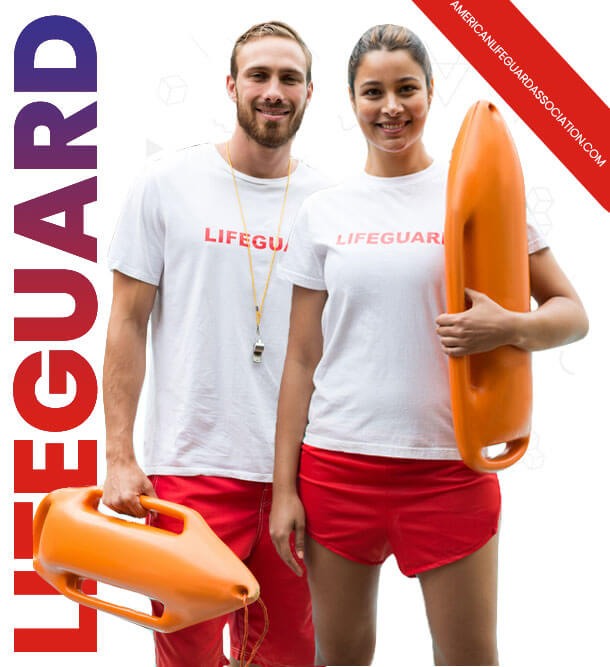
The American Lifeguard Association is listed among the accepted organizations within the US Sailing certification framework.
This means individuals with ALA certification are recognized as having essential training in:
- Water safety and risk prevention
- Emergency response and rescue techniques
- Aquatic environment awareness
For those searching “does lifeguard certification help with sailing instructor training,” the answer is yes—ALA credentials support eligibility and strengthen a candidate’s safety background.
Why Lifeguard Training Supports Sailing Instruction
Sailing and lifeguarding share a common foundation: water safety.
Skills developed through lifeguard training—such as surveillance, rescue response, and hazard recognition—directly enhance a sailing instructor’s ability to:
- Prevent accidents
- Respond to emergencies
- Maintain safe learning environments
The recognition of ALA certification highlights the growing importance of cross-training in aquatic safety professions.
Course Materials and Certification Limitations
The Basic Keelboat Instructor Course provides structured learning tools, including:
- Instruction manuals
- Training logbooks
- Teaching resources
However, certification alone does not grant unlimited authority to teach. Instructors must work within accredited programs to issue official student certifications, ensuring consistency and quality across the industry.
Conclusion: A Recognized Pathway for Sailing Instructors
The US Sailing Basic Keelboat Instructor Certification is a highly respected program that combines technical skill, teaching ability, and safety training.
At the same time, the inclusion of American Lifeguard Association certification reinforces its value within the broader aquatic safety industry. This recognition demonstrates that lifeguard training plays a critical role in preparing professionals for a wide range of water-based careers.
For anyone pursuing a career in sailing instruction, combining sailing expertise with nationally recognized lifeguard certification provides a strong and competitive advantage.
Frequently Asked Questions (FAQ)
What is the US Sailing Basic Keelboat Instructor Certification?
The US Sailing Basic Keelboat Instructor Certification is a professional program that evaluates experienced sailors on their ability to safely and effectively teach keelboat sailing. It includes both practical and instructional assessments over a structured multi-day course.
How long does it take to become a US Sailing instructor?
The Basic Keelboat Instructor Course itself is typically completed over three days (approximately 24 hours). However, candidates are expected to already have significant sailing experience and meet all prerequisites before enrolling.
What are the requirements to become a sailing instructor?
To qualify, candidates generally need:
- Strong sailing experience
- Recognized boating credentials (such as NASBLA certification or U.S. Coast Guard licensing)
- Current First Aid and CPR certification
- Completion of SafeSport training
These requirements ensure that instructors meet national safety and professional standards.
Is lifeguard certification required for US Sailing instructors?
Lifeguard certification is not always mandatory, but it is highly valuable. The American Lifeguard Association is recognized within the framework, meaning its certification supports a candidate’s qualifications in water safety and emergency response.
How does American Lifeguard Association certification help sailing instructors?
American Lifeguard Association certification provides essential training in:
- Water surveillance and hazard recognition
- Rescue techniques
- Emergency response
These skills directly enhance a sailing instructor’s ability to maintain safety on the water and respond effectively in emergencies.
Can you teach sailing immediately after certification?
Not always. While certification confirms competency, instructors typically need to work within accredited sailing programs to teach and issue official student certifications. This ensures consistency and quality across training programs.
Why is water safety training important for sailing instructors?
Water safety training is critical because sailing instructors are responsible for managing risk in open water environments. Skills gained through lifeguard training and safety certifications help prevent accidents and ensure rapid, effective responses when emergencies occur.
Does US Sailing recognize other aquatic certifications?
Yes. US Sailing recognizes certain certifications that demonstrate strong water safety and emergency preparedness backgrounds. This includes organizations like the American Lifeguard Association, reflecting the shared safety standards across aquatic professions.