As families head to pools, beaches, lakes, and water parks this summer, most people focus on sunscreen, towels, and flotation devices. However, one of the simplest—and potentially most important—water safety decisions is often overlooked: the color of your swimsuit.
A recent article published by the Italian news publication EduNews24 has brought international attention to this important issue. The June 30, 2026 article reviewed underwater visibility testing conducted by Alive Solutions and highlighted recommendations from the American Lifeguard Association regarding the importance of selecting brightly colored swimwear to improve visibility during aquatic emergencies.
Why Swimsuit Color Matters?
Drowning remains one of the leading causes of accidental death worldwide. Contrary to what is often portrayed in movies, drowning is usually silent. Victims rarely splash or yell for help. Instead, they often slip beneath the surface unnoticed.
In those critical moments, visibility becomes everything.
The faster a lifeguard, parent, friend, or bystander can locate a swimmer beneath the water, the faster a rescue can begin. Even a delay of just a few seconds can dramatically affect the outcome.
Which Swimsuit Colors Are Best?
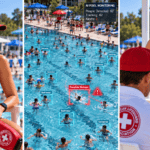
According to the visibility testing highlighted by EduNews24, the most visible swimsuit colors across multiple aquatic environments include:
- Fluorescent Orange
- Fluorescent Yellow
- Neon Green
These colors remained highly visible in:
- Swimming pools with light-colored bottoms
- Swimming pools with dark-colored bottoms
- Lakes with murky water
The testing found that these bright colors consistently stood out against the surrounding water, making swimmers much easier to locate beneath the surface.
Colors That Can Be Difficult to See
Some swimsuit colors performed significantly worse during underwater visibility testing.
These included:
- White
- Light Blue
- Gray
- Dark Blue
- Black
- Pastel Colors
Many of these shades blended into pool floors or natural bodies of water, making submerged swimmers considerably more difficult to detect. While these colors may be fashionable, they may reduce the speed at which someone is spotted during an emergency.
What the American Lifeguard Association Recommends
The American Lifeguard Association (ALA) has long encouraged swimmers, parents, aquatic facilities, camps, and recreation programs to consider visibility when purchasing swimwear.
Although swimsuit color alone cannot prevent drowning, it represents another important layer of protection.
The American Lifeguard Association recommends:
- Choosing brightly colored, high-visibility swimsuits whenever possible.
- Avoiding colors that closely resemble water or pool bottoms.
- Considering fluorescent colors for lakes, rivers, beaches, and other open-water environments.
- Remembering that visibility benefits swimmers of all ages, not just children.
Swimsuit Color Is Only One Layer of Water Safety
No single safety measure eliminates the risk of drowning.
The American Lifeguard Association continues to emphasize a comprehensive approach that includes:
- Constant, attentive supervision
- Learning to swim
- Certified lifeguards
- Proper pool fencing and self-closing gates
- Emergency action planning
- CPR training
- U.S. Coast Guard-approved life jackets when appropriate
- Highly visible swimwear
Each of these safety measures works together to reduce risk and improve survival during aquatic emergencies.
International Attention Highlights a Growing Awareness
The EduNews24 article also reported that Italy averages approximately 342 drowning deaths each year, including about 41 individuals under the age of 19. The publication noted that nearly half of pediatric drowning incidents occur in swimming pools, reinforcing the importance of continuous supervision and multiple layers of protection.
While these statistics come from Italy, drowning is a global public health concern. Similar tragedies occur every year across the United States and around the world.
A Small Decision That Could Make a Big Difference
Choosing a swimsuit usually comes down to style, comfort, or price. Yet selecting a brighter color may provide an important safety advantage when every second counts.
Whether you are spending the day at a backyard pool, community aquatic center, lake, river, or beach, consider choosing fluorescent orange, yellow, or neon green swimwear. This simple decision may improve visibility and assist lifeguards or rescuers if an emergency occurs.
About the American Lifeguard Association
The American Lifeguard Association has been a national leader in lifeguard training, water safety education, CPR, First Aid, and aquatic risk management for decades. Through education, public awareness campaigns, and nationally recognized certification programs, the Association remains committed to reducing drowning incidents and promoting safer aquatic environments for swimmers of every age.
Water safety begins before anyone enters the water—and sometimes, one of the simplest decisions you make is choosing the color you wear.