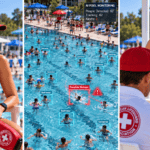
Lifeguard chair height remains one of the most overlooked factors in pool safety and drowning prevention. An investigative report by 6ABC Action News, titled “Consumer Reports: Staying Safe at the Pool This Summer,” helped bring national attention to a serious aquatic safety concern: many lifeguards across the country are still being seated in chairs that are too low, or not elevated at all.
This may seem like a small operational issue, but it can have life-or-death consequences. When lifeguards are not positioned high enough above the water, glare, surface reflection, and light refraction can make it difficult to see swimmers beneath the surface. As a result, a distressed swimmer may be hidden from view even while a lifeguard is actively watching the pool.
Despite continued public awareness efforts, including work by the American Lifeguard Association to support national water safety education and awareness, inadequate lifeguard chair height remains a common problem at aquatic facilities throughout the United States.
Why Lifeguard Chair Height Is So Important
Effective lifeguarding begins with visibility. A lifeguard must be able to scan the entire swimming area, including the surface of the water, just below the surface, and the pool floor.
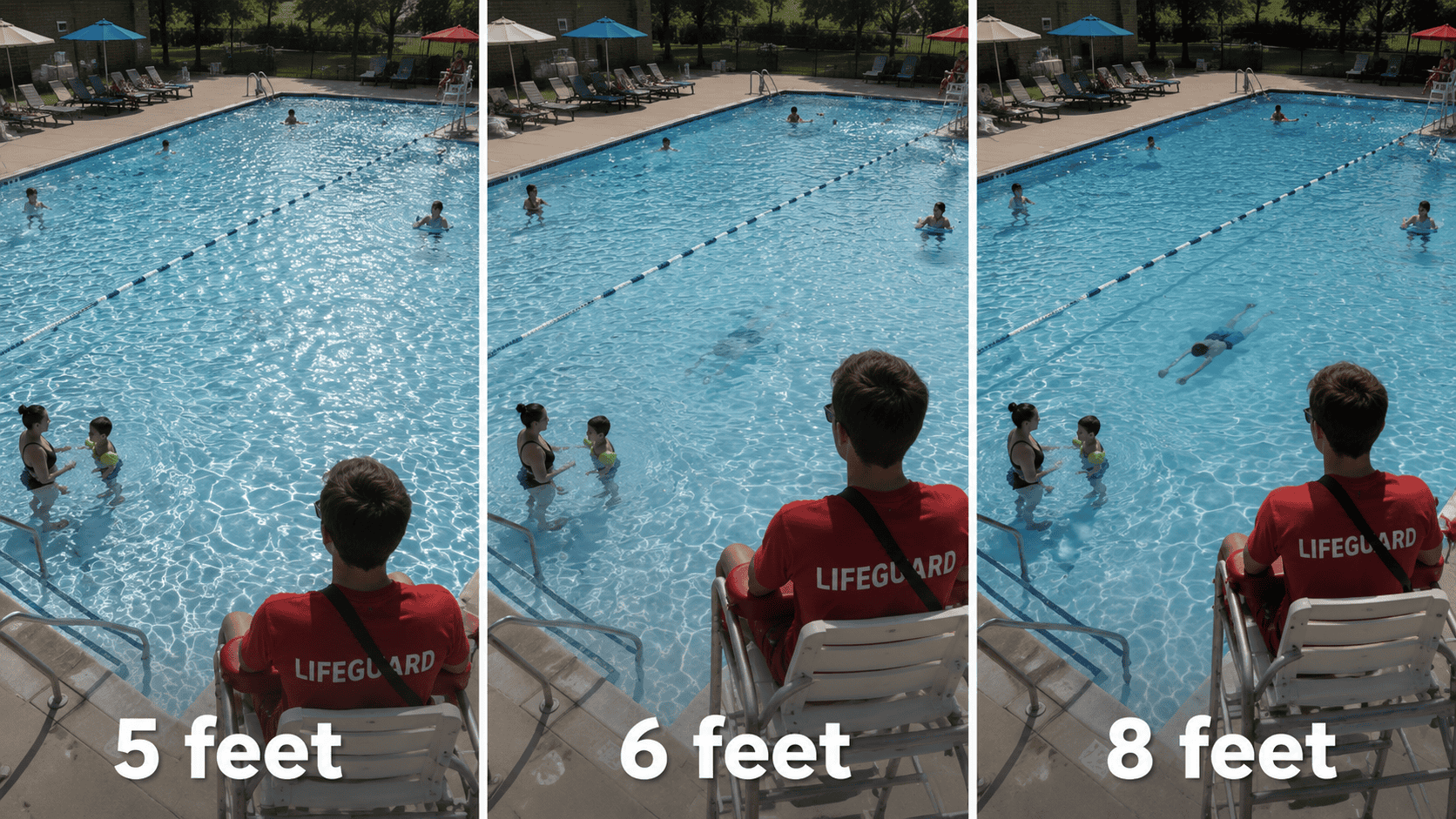
Testing highlighted by Consumer Reports demonstrated that a lifeguard seated only 2.5 feet above the water may have limited ability to see swimmers beneath the surface because of glare and distortion. At this lower height, parts of the pool can become difficult or even impossible to monitor effectively.
However, when the lifeguard is elevated to approximately 6 to 8 feet above the waterline, visibility improves significantly. From a higher vantage point, lifeguards can better see through surface glare, identify movement below the water, and detect swimmers who may be struggling silently.
This difference in visibility is not minor. It can determine whether a lifeguard recognizes a drowning emergency immediately or loses valuable seconds trying to identify what is happening.
Low Lifeguard Chairs Can Create Dangerous Blind Spots
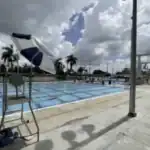
Many pools still use low chairs, deck-level seating, or standard patio-style chairs for lifeguard stations. While these options may appear convenient or less expensive, they can create serious surveillance problems.
A low lifeguard chair can produce several safety risks:
- Lifeguards may have difficulty seeing beneath the water’s surface.
- Glare and reflections can block large sections of the pool.
- Swimmers at the bottom of the pool may be harder to detect.
- Crowded swimming areas may become more difficult to scan.
- A distressed swimmer may go unnoticed until the emergency has progressed.
Drowning is often silent. Unlike what is commonly shown in movies, a person in distress may not splash, yell, or wave for help. In some cases, drowning can occur in as little as 20 seconds. This is why early recognition is one of the most important responsibilities of a lifeguard.
A lifeguard cannot respond to an emergency they cannot see.
Elevated Lifeguard Stands Improve Surveillance
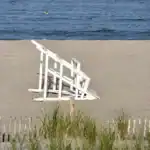
Properly elevated lifeguard stands are designed to give lifeguards a better view of the entire pool. A stand positioned approximately 6 to 8 feet above the waterline allows the lifeguard to scan from a stronger angle and better identify swimmers who may be submerged, motionless, or in distress.
Aquatic safety professionals have long emphasized that lifeguard positioning should not be random. Each facility should evaluate its pool layout, lighting, water movement, blind spots, and bather load to determine where lifeguards should be stationed.
Strategic lifeguard placement may include:
- Elevated lifeguard chairs for primary surveillance.
- Deck-level lifeguards for backup support and patron management.
- Rotating zones to reduce fatigue and maintain vigilance.
- Regular visibility testing to identify blind spots.
- Adequate staffing based on pool size, design, and usage.
The goal is not simply to place a lifeguard near the water. The goal is to place lifeguards where they can see clearly, recognize danger quickly, and respond effectively.
Being Closer to the Water Does Not Always Mean Safer
One common misunderstanding is that lifeguards should sit closer to the water because it may reduce response time. While fast response is important, response time only matters after the emergency has been recognized.
Recognition comes first.
If a lifeguard is seated too low and cannot see a submerged swimmer because of glare, reflection, or poor angle, the lifeguard may not know there is an emergency. In that situation, being close to the pool edge does not solve the problem.
Elevated lifeguard chairs help solve the first and most critical challenge: seeing the emergency as early as possible.
This is why proper lifeguard chair height should be treated as a core part of any pool safety plan, not as an optional equipment decision.
The American Lifeguard Association’s Recommendation
The American Lifeguard Association recommends that lifeguard chairs be elevated approximately 6 to 8 feet above the waterline when facility design and operating conditions allow. Lifeguard stands should be positioned to provide clear, complete, and overlapping surveillance coverage of the swimming area.
Additional lifeguards may be assigned to deck-level positions to assist with supervision, rule enforcement, patron safety, and emergency response. However, elevated lifeguard stations should remain occupied by alert and attentive lifeguards whenever swimmers are in the water.
A pool is not automatically safe simply because a lifeguard is present. Safety depends on whether that lifeguard has the proper training, position, equipment, visibility, and support to do the job effectively.
Questions Parents and Pool Patrons Should Ask
As summer pool season begins, parents and patrons should feel comfortable asking pool managers important safety questions.
Before swimming, consider asking:
- Are the lifeguard chairs elevated high enough to see beneath the water surface?
- Are there enough lifeguards on duty for the size and activity level of the pool?
- Have the lifeguard stations been tested for visibility and blind spots?
- Are lifeguards rotating regularly to maintain alertness?
- Are deck-level lifeguards used in addition to elevated lifeguard stands when needed?
These are reasonable questions. They are not criticisms of lifeguards. In fact, they support lifeguards by making sure they are given the tools and vantage points necessary to protect swimmers.
Lifeguard Visibility Is a Drowning Prevention Tool
Lifeguards are an essential part of aquatic safety, but they must be properly positioned to be effective. A lifeguard seated too low may be working hard, scanning carefully, and still be unable to see a swimmer in danger beneath the surface.
That is why lifeguard chair height remains such an important safety issue.
Properly elevated lifeguard stands help reduce blind spots, improve underwater visibility, and increase the chance that a drowning emergency will be recognized quickly. Combined with strong lifeguard training, adequate staffing, regular rotations, and facility-specific surveillance planning, elevated chairs can make pools significantly safer.
When it comes to drowning prevention, a few extra feet of height can make all the difference.
Final Safety Message
The presence of lifeguards alone does not guarantee pool safety. Lifeguards need the right position, the right visibility, and the right support to protect swimmers effectively.
For aquatic facilities, investing in proper lifeguard chair height is not simply a matter of equipment. It is a matter of public safety.
For parents and patrons, awareness matters. The next time you visit a swimming pool, take a moment to look at where the lifeguards are seated. Ask whether they can clearly see the entire pool, including beneath the surface.
Because in an aquatic emergency, what a lifeguard can see may determine how quickly a life can be saved.
FAQ
What is the recommended lifeguard chair height?
The American Lifeguard Association recommends that lifeguard chairs be elevated approximately 6 to 8 feet above the waterline when possible. This height can improve visibility, reduce glare-related blind spots, and help lifeguards better identify swimmers in distress.
Why are elevated lifeguard stands important?
Elevated lifeguard stands give lifeguards a better angle for scanning the pool. From a higher position, lifeguards can see more clearly through water glare and identify swimmers at the surface, just below the surface, or on the pool floor.
Are low lifeguard chairs dangerous?
Low lifeguard chairs can create visibility problems. When lifeguards are seated too close to deck level, glare and water reflection may make it difficult to see submerged swimmers. This can delay recognition of a drowning emergency.
Should pools use deck-level lifeguards?
Deck-level lifeguards can be helpful for patron management, rule enforcement, and emergency backup. However, deck-level positions should generally supplement, not replace, properly elevated lifeguard stands used for primary surveillance.
How can parents tell if a pool is properly supervised?
Parents should look for elevated lifeguard stands, attentive lifeguards, adequate staffing, regular lifeguard rotations, and clear visibility across the entire swimming area. They should also feel comfortable asking pool managers whether lifeguard stations have been evaluated for blind spots.