Memorial Day Weekend Water Safety: Active Supervision Saves Lives
As Memorial Day weekend begins and families across the country head to pools, beaches, lakes, water parks, and backyard gatherings, the American Lifeguard Association is again urging parents and caregivers to make water safety a top priority. The same concerns highlighted in last summer’s NBC TODAY coverage remain just as important this year: when children are around water, active supervision is not optional — it is lifesaving. According to the CDC, more children ages 1 to 4 die from drowning than from any other cause, and drowning is the second leading cause of unintentional injury death for children ages 5 to 14. The CDC also reports more than 4,000 unintentional drowning deaths each year in the United States.
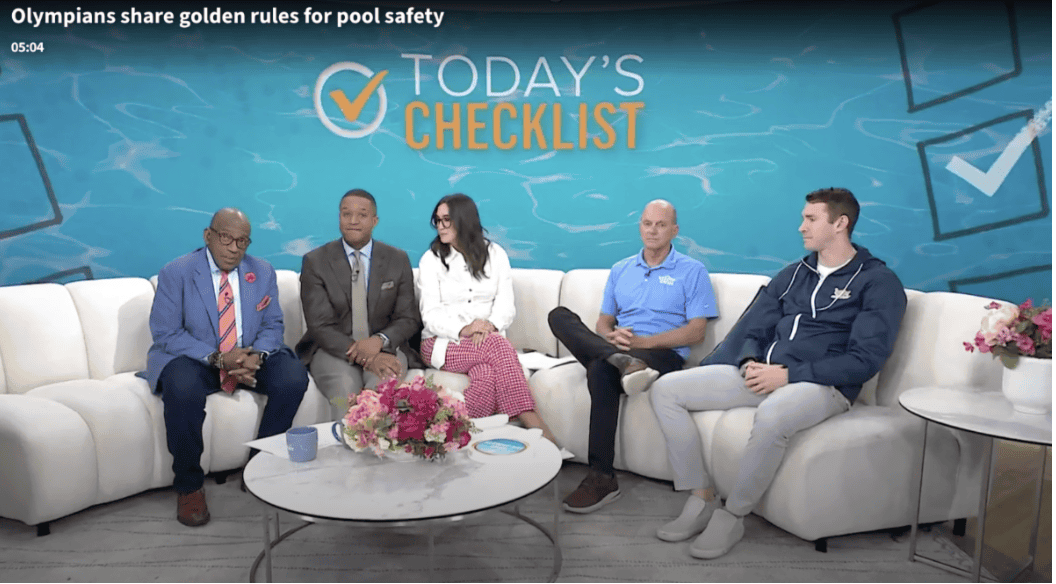
Last summer, NBC’s TODAY contacted the American Lifeguard Association for expert comments following a national conversation sparked by New Jersey mother Morgan Coulter, who hired a certified lifeguard for her daughter’s sixth birthday pool party. Coulter was criticized by some online commenters who called the decision “dramatic,” “extra,” or unnecessary. However, water safety professionals made clear that taking additional precautions around children and water is not excessive — it is responsible.
The TODAY article captured one of the most important lessons for any group swim setting: “If everybody is watching, it means nobody is watching.” That warning applies to pool parties, family reunions, holiday cookouts, hotel pools, lakes, beaches, and neighborhood gatherings. When several adults are present, it is easy for each person to assume someone else is watching the children. That false sense of security can create a dangerous gap in supervision.
Hiring a Lifeguard for a Pool Party Is Smart, Not “Extra”
In comments provided to TODAY, ALA spokesperson Wyatt Werneth stated that hiring a lifeguard is highly suggested for pool parties. A trained lifeguard brings focused attention, water safety awareness, and emergency response skills to an environment where distractions are common.
Parents who hire a lifeguard should provide important details before the event, including the ages of the children, the number of children expected in the water, each child’s swimming ability, the depth of the pool, and the type of aquatic environment. These details help lifeguards better assess risk and prepare for the event.
Even when a lifeguard is present, parents should still remain attentive. A lifeguard adds an important layer of protection, but water safety works best when families, caregivers, lifeguards, and facility operators all share responsibility.
Assign a Water Watcher
The message from the American Lifeguard Association is clear: Know before you go. Swim near a lifeguard. Learn to Swim America. Assign a Water Watcher.
ALA continues to recommend the Water Watcher system whenever children are in or near the water. Under this system, one responsible adult is assigned to actively supervise swimmers for a set period of time without distractions. That means no phones, no alcohol, no casual conversations, and no assuming another adult has taken over.
The Water Watcher’s only responsibility is to watch the swimmers and remain alert. After a set period of time, another responsible adult can take over. This simple system helps prevent the dangerous assumption that “someone else is watching.”
Use U.S. Coast Guard-Approved Life Jackets for Novice Swimmers
ALA also recommends that children who are novice swimmers wear properly fitted, U.S. Coast Guard-approved life jackets when in or around open water, pools, lakes, beaches, or other aquatic environments.
Life jackets should never replace active adult supervision, but they provide an important added layer of protection for young or inexperienced swimmers. Parents should make sure the life jacket is appropriate for the child’s size and weight, properly fastened, and used according to the manufacturer’s instructions.
Floaties, inflatable toys, and pool noodles should not be treated as life-saving devices. Families should use approved life jackets when additional protection is needed.
Dress Children in Bright-Colored Swimsuits
Parents and caregivers should also dress children in bright-colored swimsuits that are easier to see in the water. Bright, highly visible colors can help adults and lifeguards identify a child more quickly, especially in crowded pools, lakes, beaches, or water parks where visibility may be limited.
This is a simple step, but it can make a meaningful difference. Children in darker or water-colored swimsuits may be harder to see, particularly when the water is moving, crowded, shadowed, or unclear.
Learn to Swim America
As summer begins, the American Lifeguard Association is again encouraging families to make swimming lessons a priority. Learning to swim is one of the most important steps children and adults can take to reduce drowning risk.
However, swimming ability alone is not enough. Even strong swimmers can become tired, injured, trapped, or caught in unexpected conditions. Families should combine swimming lessons with active supervision, life jacket use when appropriate, CPR awareness, and a habit of swimming near lifeguards.
ALA’s message is simple: Learn to Swim America — and never let swimming ability replace supervision.
Swim Near a Lifeguard
Whenever possible, families should choose beaches, pools, lakes, and aquatic facilities where lifeguards are present. Swimming near a lifeguard provides an added layer of safety and ensures trained personnel are nearby if an emergency occurs.
Before entering the water, families should also check posted warnings, weather conditions, water depth, currents, and facility rules. At beaches, swimmers should be especially aware of rip currents and changing surf conditions. At pools, parents should know where deep water begins, whether diving is allowed, and whether rescue equipment is available.
Water Safety Is a Shared Responsibility
The TODAY coverage helped bring national attention to a message that deserves to be repeated every summer: preventing drowning starts before the emergency happens.
This Memorial Day weekend, ALA encourages every family to enjoy the water — but to do so with preparation, awareness, and respect for how quickly conditions can change.
Children should learn to swim. Adults should know CPR. Pools should be properly secured. Novice swimmers should use properly fitted U.S. Coast Guard-approved life jackets. Children should wear bright-colored swimsuits so they can be seen more easily. Families should swim near lifeguards whenever possible. And most importantly, one responsible adult should always be assigned to actively watch the water.
Be safe. Be alert. Assign a Water Watcher. Swim near a lifeguard.
Read the NBC TODAY Story
Mom Called ‘Dramatic’ For Hiring a Lifeguard For Her Kindergartener’s Pool Party at following link: https://www.today.com/parents/moms/mom-hires-lifeguard-childs-pool-party-rcna218665