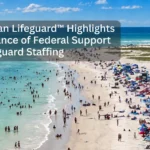
As we approach Memorial Day and the unofficial start of the summer season, one reality is becoming increasingly clear to municipalities, operators, and policymakers: the lifeguard workforce remains under sustained pressure—and in many regions, the situation may tighten further before it stabilizes.
While some local markets report adequate hiring levels, the broader national outlook points to a structurally constrained labor pipeline shaped by reduced international participation, evolving workforce preferences, and persistent operational bottlenecks.
A Structural Shift in the Lifeguard Labor Market
For decades, U.S. aquatic facilities—particularly beaches and large municipal pools—have relied heavily on international seasonal workers. Programs tied to U.S. Department of State visa pathways historically delivered tens of thousands of candidates annually, providing critical support during peak summer demand.
That pipeline is no longer as reliable.
Even marginal disruptions—whether due to visa processing delays, administrative backlogs, or policy shifts—can result in thousands of unfilled positions nationwide. What was once a dependable supplement to the domestic workforce has become a point of vulnerability.
Demand Is Rising—But the Talent Pool Is Not
At the same time, demand for aquatic safety services remains strong. Public pools, waterparks, and beachfront operations are preparing for full seasonal capacity, yet the labor pool is not expanding at a comparable rate.
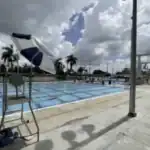
Historically, approximately one-third of public pools in the United States have experienced lifeguard shortages severe enough to reduce operating hours or close facilities entirely. In practical terms, this translates to:
- Shortened pool hours during peak heat periods
- Reduced beach surveillance zones
- Increased reliance on “swim at your own risk” conditions
These are not theoretical risks—they are operational decisions being made in real time.
Key Workforce Trends Shaping Summer 2026
Several macro trends are converging to create a fragile staffing environment:
1. Reduced International Participation: Delays and constraints in global hiring systems are limiting the timely arrival of seasonal workers.
2. Shifting Domestic Workforce Preferences: Younger workers are increasingly opting for roles in retail, hospitality, and gig-based employment that often offer higher wages, greater flexibility, or lower physical demands.
3. Training Accessibility Gaps: Limited availability and inflexible scheduling of certification programs continue to restrict entry into the profession—particularly for candidates balancing school, athletics, or other commitments.
Collectively, these factors create a system with minimal margin for error. A handful of delayed hires or mid-season attrition events can quickly move a fully staffed operation into shortage territory.
Public Safety Implications
Lifeguards are not simply seasonal employees—they are frontline public safety professionals.
Reduced staffing has direct consequences:
- Fewer supervised swimming areas
- Increased response times
- Elevated risk of preventable incidents
From a governance and liability standpoint, these constraints require careful attention. Communities must balance access to aquatic facilities with the imperative to maintain safe operating conditions.

Strategic Perspective from the American Lifeguard Association
Industry leadership is increasingly aligned around one conclusion: this is no longer a cyclical issue—it is structural.
As the American Lifeguard Association notes:
“The lifeguard shortage is no longer a temporary disruption—it represents a long-term workforce challenge that requires immediate, strategic adaptation.”
The organization emphasizes that overreliance on a narrow hiring pipeline—particularly international seasonal labor—has left the system exposed to external shocks.
Strategic Solutions: Building a Resilient Workforce
Forward-looking operators are already adapting. The path forward is not a single solution, but a coordinated shift in recruitment, training, and workforce design.
1. Expand the Talent Pool
Communities must look beyond traditional demographics. This includes:
- Retirees and second-career professionals
- Teachers and coaches during summer months
- Parents and community members seeking part-time roles
“Hiring from within the community creates stability, continuity, and resilience,” the American Lifeguard Association emphasizes.
2. Modernize Training Access
Flexible, scalable training models—particularly blended learning formats—allow candidates to enter the workforce more efficiently without compromising standards.
3. Elevate Compensation and Career Pathways
Competitive wages, leadership opportunities, and dual-role certifications (e.g., pool operator + lifeguard) can reposition lifeguarding as a more attractive and sustainable profession.
4. Strengthen Local Recruitment Pipelines
Partnerships with schools, athletic programs, and community organizations can create consistent, year-over-year candidate flow.
CEO Outlook: From Shortage to Strategy
The summer of 2026 will likely remain tight from a staffing perspective. However, for organizations willing to adapt, this moment presents a strategic inflection point.
Those who invest now in diversified recruitment, accessible training, and workforce innovation will not only navigate current shortages—they will build a durable competitive advantage.
As the American Lifeguard Association concludes:
“Without proactive recruitment and a shift toward more inclusive, flexible hiring practices, communities will continue to face recurring shortages. The solution is not temporary—it requires a long-term commitment to workforce transformation.”
Bottom Line
The lifeguard shortage is no longer a seasonal challenge—it is a strategic workforce issue.
Communities and operators that recognize this shift—and act decisively—will define the standard for safety, reliability, and operational excellence in the years ahead.