If you visit beaches or swimming pools in Liberia, you will notice lifeguards on duty to ensure everyone’s safety. The lifeguard’s essential job is to help prevent accidents and respond quickly in emergencies, which requires specialized training. Lifeguard training in Liberia serves this purpose: preparing individuals to protect swimmers at beaches, riverbanks, resorts, and swimming pools.
Liberia is home to a long stretch of Atlantic coastline, famous beaches like Robertsport, and numerous hotels and community pools across Monrovia and other regions. With warm weather year-round and increasing beach tourism, the demand for trained lifeguards continues to grow, especially during peak holiday seasons when swimming activity is at its highest.
Lifeguards serve at beaches, hotels, water recreation centers, and community pools throughout Liberia to protect swimmers. With more aquatic locations and tourism development, there are many opportunities for individuals seeking to pursue lifeguarding as a meaningful and rewarding career.
Lifeguard training in Liberia is the first step toward building a career in aquatic safety. Once certified by an internationally recognized organization such as the American Lifeguard Association (ALA), candidates can seek employment at beaches, resort pools, sports centers, and private facilities.
ALA provides globally respected training programs, making its certification valuable for both domestic and international job opportunities.
The American Lifeguard Association is supported by Global Lifeguards and the Swimming Pool and Spa Foundation, nonprofit organizations dedicated to improving aquatic safety and reducing drownings worldwide.
ALA’s mission is to make swimming pools, beaches, and waterways safer for all. To accomplish this, ALA works with employers across North America and international regions such as West Africa, where aquatic safety training is increasingly essential.
ALA has been referenced by well-known organizations, including:
The latest ECC science and established aquatic safety standards. ALA also promotes the Model Aquatic Health Code (MAHC) for professional pre-service and in-service training.
To enroll in the American Lifeguard Association’s lifeguard training course in Liberia, candidates must meet the following minimum requirements:
Candidates must also demonstrate:
Within 1 minute and 40 seconds, candidates must:
Upon successful completion, participants receive:
All certifications are valid for two years.
Many people begin lifeguarding as a seasonal or part-time job, but it can become a long-term career in Liberia, given the country’s growing tourism and beachfront development.
Certified lifeguards can work at:
With advanced training, lifeguards can progress into roles such as:
These positions offer greater responsibility, leadership opportunities, and long-term career growth.
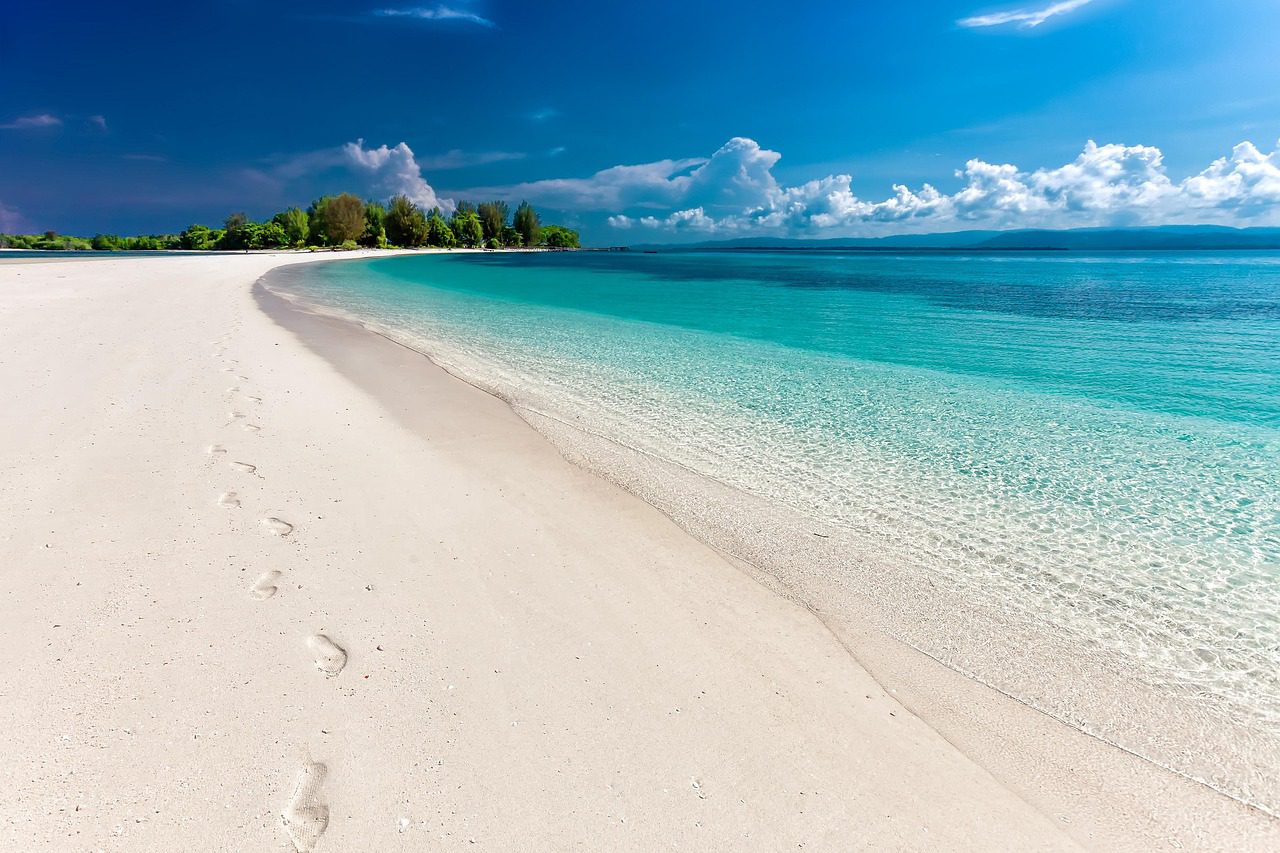
ALA’s lifeguard training program provides essential skills in water rescue, CPR/AED, and First Aid, preparing individuals to respond effectively to water emergencies.
Rescue Skills
CPR/AED for the Professional Rescuer Skills
First Aid Skills
Final Skill Scenarios
Would you like to read about: Lifeguard Training in Guinea
One of West Africa’s top surfing destinations, attracting tourists and requiring trained lifeguards.
A popular local swimming area with strong currents—lifeguards contribute significantly to public safety.
A frequently visited beach for families and picnics; ideal for a professional lifeguard presence.
A busy beach known for recreation and events, benefiting greatly from trained rescue personnel.
International hotels and private clubs maintain large pools that require certified lifeguards year-round.
The primary goal of lifeguard training is to ensure the safety of swimmers. In Liberia, lifeguards monitor beach activity, supervise hotel pools, and assist at community aquatic centers, using proper rescue techniques and maintaining vigilance.
The American Lifeguard Association is recognized as a leading provider of aquatic safety training worldwide. With more than 30 years of experience, ALA continues to uphold strong standards for professionalism, safety, and excellence.
If you are searching for “lifeguard training near me in Liberia,” the American Lifeguard Association is an excellent choice. For more information or enrollment details, please contact ALA.