
Become a Certified Lifeguard in Uganda with ALA

If you visit beaches, lakes, or swimming pools in Uganda, you’ll often find lifeguards on duty ensuring everyone’s safety. These professionals play a vital role in preventing accidents, monitoring swimmers, and responding swiftly in emergencies.

Lifeguard training in Uganda by the American Lifeguard Association (ALA) equips individuals with the skills and confidence needed to protect lives at beaches, hotels, waterparks, and swimming pools.

Uganda is home to Lake Victoria, Africa’s largest freshwater lake, along with countless rivers, resorts, and aquatic centers. With such abundant water bodies and growing tourism, there’s a rising demand for trained lifeguards across the country.

Lifeguard Training in Uganda

Lifeguards serve in diverse aquatic environments   from Lake Victoria and Jinja’s adventure resorts to hotel pools and recreational parks. Their mission is to maintain safety and provide assistance whenever needed.

For those looking to start a rewarding career in aquatic safety, lifeguard training in Uganda is the first step. Once certified by the American Lifeguard Association (ALA), candidates gain in

International recognition, opening opportunities both locally and abroad. With over 30 years of experience, ALA has certified thousands of lifeguards serving communities across the globe, promoting water safety and lifesaving excellence.

About the American Lifeguard Association

The American Lifeguard Association (ALA) is supported by Global Lifeguards and the Swimming Pool and Spa Foundation, both 501(c)(3) nonprofit organizations committed to preventing drownings and improving aquatic safety worldwide.

ALA’s mission is simple yet impactful: to make beaches, pools, and waterways safer for all.

The organization collaborates directly with employers, resorts, and governments to promote high safety standards. Its training programs have been referenced by:

ALA training also integrates modern ECC science and international safety guidelines to ensure excellence.

Requirements for Lifeguard Training in Uganda

To enroll in ALA lifeguard training in Uganda, candidates must meet the following prerequisites:

  • Minimum Age:


    • 15 years or older for pool or resort lifeguarding
    • 16 years or older for beach or open-water lifeguarding


  • Swimming Skills:


    • Swim 300 meters continuously using front crawl and breaststroke
    • Retrieve a 4.5 kg (10 lb) object from deep water (2–3 meters)
    • Complete a timed rescue test within 1 minute and 40 seconds
    • Exit the water without using ladders or steps

Upon completion, each participant receives:

  • ALA Lifeguard Certificate
  • CPR/AED for the Professional Rescuer Certification
  • First Aid Certification is valid for two years


Lifeguarding in Uganda: Long-Term Career Options

While many view lifeguarding as a temporary or part-time job, in Uganda, it can develop into a long-term professional career.

Certified lifeguards can advance into specialized roles, such as:

  • Water Safety Instructor
  • Rescue Boat Operator
  • Aquatic Program Supervisor
  • Swim Coach or Lifesaving Trainer

These roles offer not just higher pay but also leadership opportunities in the hospitality, recreation, and tourism industries.
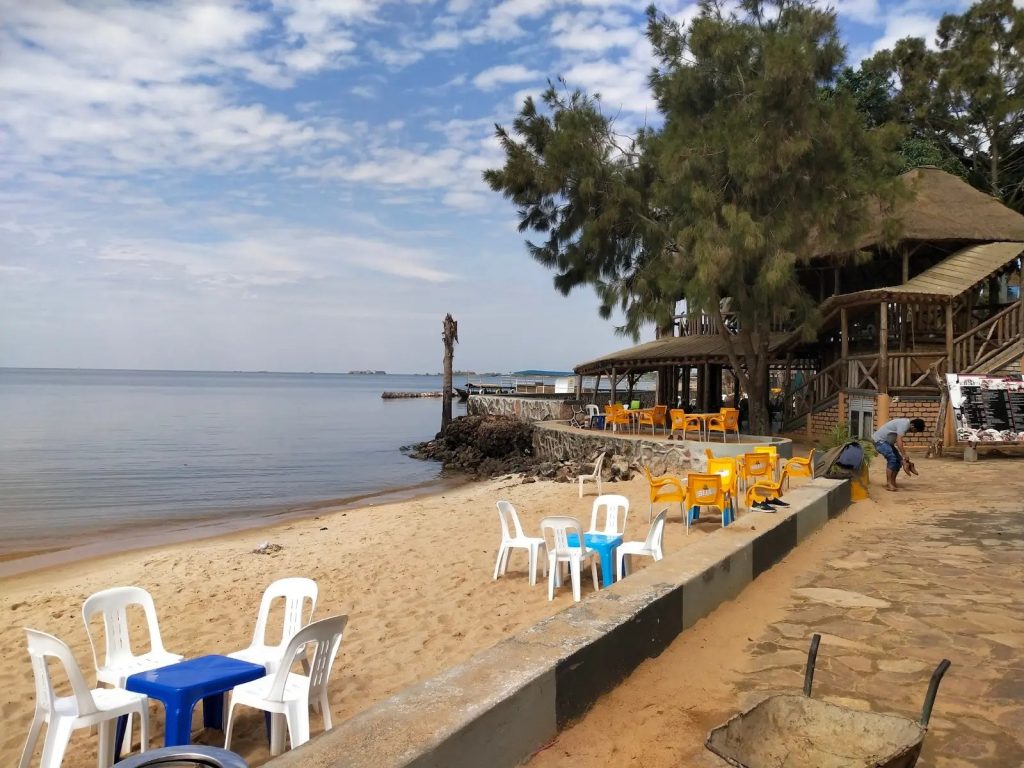
Lifeguard training in Uganda

Learning Skills with Lifeguard Training in Uganda

Through the ALA training program, participants acquire a comprehensive skill set designed to handle real-world emergencies efficiently.

Rescue Skills

  • Slide-In Entry and Compact Jump Techniques
  • Front Crawl and Breaststroke Approaches
  • Active and Passive Drowning Victim Rescues
  • Deep-Water and Multiple-Victim Recovery
  • Two-Person Removal with a Backboard
  • Submerged Victim Retrieval and Stabilization

CPR/AED for the Professional Rescuer

  • Adult, Child, and Infant CPR
  • Two-Rescuer CPR Coordination
  • AED (Automated External Defibrillator) Use
  • Bag-Valve-Mask and Choking Response
  • Initial and Secondary Assessments

First Aid Skills

  • Managing Cuts, Burns, and Bleeding
  • Treating Fractures and Sprains
  • Heat Illness and Sunstroke Care
  • Applying Slings and Soft Splints

By mastering these skills, lifeguards become confident first responders capable of saving lives both on land and in the water.

Would you like to read about: Lifeguard Training in Kenya

Famous Ugandan Beaches and Water Spots Where Lifeguards Are Essential

  • Lido Beach (Entebbe): One of Uganda’s oldest and most visited beaches on Lake Victoria, where trained lifeguards ensure safety.


  • Imperial Resort Beach: Popular with tourists; ALA-certified lifeguards maintain safety at all times.


  • Spennah Beach: Family-friendly destination with swimming areas requiring constant supervision.


  • White Sands Beach, Entebbe: Known for water sports; lifeguards are critical here due to active recreational use.


  • Jinja Riverbanks and Bujagali Falls: Adventure spots for rafting and kayaking that rely on skilled water rescue personnel.

The Final Wave

The essence of lifeguard training in Uganda lies in developing the ability to prevent accidents and save lives. Lifeguards are guardians of water safety, vigilant, trained, and ready to act at any moment.

The American Lifeguard Association (ALA) stands as a global leader in aquatic safety certification, bringing decades of expertise to Uganda.

Whether you aim to work locally or pursue international opportunities, ALA certification empowers you with skills, recognition, and a lifelong commitment to safety.

If you’re searching for “lifeguard training near me in Uganda”, look no further. The American Lifeguard Association is your trusted partner in professional aquatic training.

For more information on training schedules, registration, and certification, contact ALA today.

Frequently Asked Questions

Here are some frequently asked questions about the Lifeguard Training program you can find more on our FAQ page if you don’t feel free to send us your questions on our contact us page

Each ALA certification remains valid for two years before renewal or refresher training is required.

Yes, trainees perform in-water rescue drills, CPR simulations, and practical emergency scenarios.

Rescue techniques, First Aid, CPR/AED use, deep-water recovery, and multiple-victim response.

ALA offers OSHA-aligned, internationally recognized training that promotes safety, skill, and professionalism.

It’s a professional course that trains individuals in water rescue, CPR, and First Aid for pools, beaches, and resorts.

Anyone aged 15 or older with strong swimming skills can apply for ALA lifeguard certification.

Yes, ALA certification is internationally accepted and respected by aquatic employers worldwide.

Lifeguards can work at hotels, resorts, beaches, recreation centers, and adventure sites like Jinja.

Need help paying for courses?

The American Lifeguard Association has been approved for the Capital One Affiliate Program! for Tuition Assistance Loan

The American Lifeguard Association Has Been Featured On