
If you visit the beaches or resort pools of Saint Vincent and the Grenadines, you’ll often find trained lifeguards keeping watch to ensure everyone’s safety. Their key responsibility is to prevent water-related accidents and respond quickly in emergencies, which demands professional lifeguard training.
The American Lifeguard Association (ALA) provides internationally recognized lifeguard training in Saint Vincent and the Grenadines to prepare individuals to protect swimmers at beaches, resorts, lakes, waterparks, and public pools.
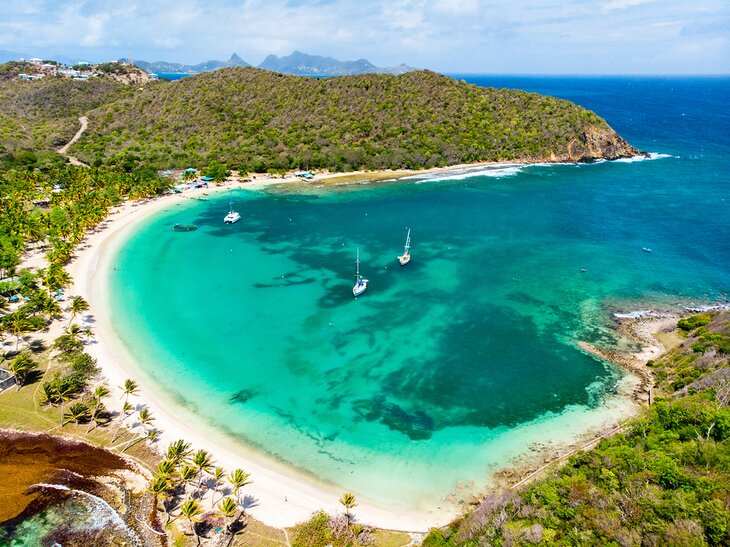
This island nation, with its tropical climate, turquoise waters, and golden beaches, attracts thousands of locals and international tourists each year. As swimming and water recreation continue to grow, the demand for certified lifeguards rises, especially during the busy cruise and vacation seasons.
Lifeguards play an essential role across public beaches, hotel resorts, community pools, and private villas throughout the islands. With so many aquatic attractions, lifeguarding offers excellent career potential for those passionate about ocean safety and public service.
Becoming a lifeguard in Saint Vincent and the Grenadines begins with ALA certification. Once certified, candidates are eligible to work not only locally but also internationally in other ALA-recognized locations.
ALA’s lifeguard training programs emphasize hands-on practice, emergency readiness, and leadership development, allowing participants to gain real-world skills while building a rewarding career in water safety.
The American Lifeguard Association (ALA) has over 30 years of experience in training professional lifeguards around the world. Supported by Global Lifeguards and the Swimming Pool and Spa Foundation, both nonprofit organizations, ALA’s mission is to reduce drownings and improve aquatic safety standards globally.
ALA partners directly with employers and health agencies to develop standardized safety programs. The association has been recognized by major organizations such as:
Its courses incorporate modern ECC (Emergency Cardiac Care) principles and follow the Model Aquatic Health Code (MAHC) guidelines for pre-service and in-service training.
Requirements for Lifeguard Training in Saint Vincent and the Grenadines
To enroll in ALA’s lifeguard training course, candidates must meet the following criteria:
After completing the course, participants earn the following certifications:
All certifications are valid for two years and are recognized globally by aquatic employers.
While many people view lifeguarding as a seasonal job, in Saint Vincent and the Grenadines, it can become a long-term, stable career. Certified lifeguards have opportunities to work year-round in resorts, cruise lines, private clubs, and aquatic centers.
With additional certifications, lifeguards can advance to roles such as:
These roles offer career growth, higher income, and leadership opportunities, making lifeguarding an ideal profession for those dedicated to community health and safety.
The ALA lifeguard training program focuses on practical, real-world rescue and emergency response techniques. Trainees develop both physical skills and mental readiness for lifesaving duties.
By mastering these skills, ALA-certified lifeguards ensure efficient, confident, and professional emergency response in any aquatic setting.
Would you like to read about: Lifeguard Training in Saint Lucia
Saint Vincent and the Grenadines is home to some of the Caribbean’s most beautiful beaches, where trained lifeguards are essential for public safety:
These beaches attract global travelers year-round, highlighting the importance of well-trained ALA-certified lifeguards in maintaining public confidence and safety.
The primary goal of ALA lifeguard training in Saint Vincent and the Grenadines is to equip individuals with the skills, confidence, and certification to save lives and promote water safety.
ALA is recognized as one of the world’s leading aquatic health and safety organizations, offering programs based on ethics, professionalism, and international standards.
If you’re searching for “lifeguard training near me” in Saint Vincent and the Grenadines, the American Lifeguard Association is your most reliable choice.
Join today and start your journey toward becoming a certified lifeguard, serving your community, and ensuring every swimmer’s safety.