
If you visit beaches or swimming pools in Papua New Guinea (PNG), you will often see lifeguards on duty to ensure public safety. The lifeguard’s vital responsibility is to prevent accidents and respond rapidly in emergencies, a role that requires professional skills and training.
Lifeguard training in Papua New Guinea helps individuals develop the ability to safeguard swimmers at beaches, lakes, resorts, and aquatic facilities across the country.
Papua New Guinea is surrounded by stunning coastlines, crystal-clear lagoons, and coral reefs, making swimming and diving a part of daily life for locals and tourists alike. From Port Moresby to Madang and New Ireland, aquatic recreation is popular year-round, increasing the demand for skilled and certified lifeguards.
Lifeguards in Papua New Guinea play a crucial role in maintaining safety across beaches, resort pools, and public aquatic centers. The country’s tropical climate and beautiful marine environment attract swimmers and divers from around the world.
Lifeguard training in PNG serves as the first step toward an exciting and rewarding career in water safety. Once certified by the American Lifeguard Association (ALA), participants can pursue work at resorts, beaches, hotels, and aquatic facilities both locally and internationally.
The ALA offers internationally recognized lifeguard certification programs designed to prepare professionals for every aspect of aquatic safety, ensuring they meet the highest standards in rescue, first aid, and emergency management.
The American Lifeguard Association (ALA) works with Global Lifeguards and the Swimming Pool and Spa Foundation, both 501(c)(3) nonprofit organizations focused on reducing drownings and enhancing water safety.
The ALA’s mission is to make beaches, pools, and recreational waterways safer by training competent, responsible, and confident lifeguards. ALA collaborates with organizations across the world, including Pacific regions like Papua New Guinea, to promote international aquatic safety standards.
ALA’s training and certifications are recognized by several major institutions, such as:
And the Model Aquatic Health Code (MAHC) standards to ensure consistency and professionalism in all programs.
To participate in the ALA lifeguard certification course in PNG, candidates must meet the following eligibility and skill requirements:
Age Requirements:
Prerequisite Swimming Skills:
Timed Rescue Event:
Upon successful completion, participants earn certifications in:
While many see lifeguarding as a part-time or seasonal role, in Papua New Guinea, it can become a professional career path. With growing tourism, hotel development, and recreational centers, trained lifeguards are in high demand throughout the year.
Certified lifeguards may advance to roles such as:
These roles offer leadership opportunities, higher pay, and a chance to contribute to the broader mission of public safety.
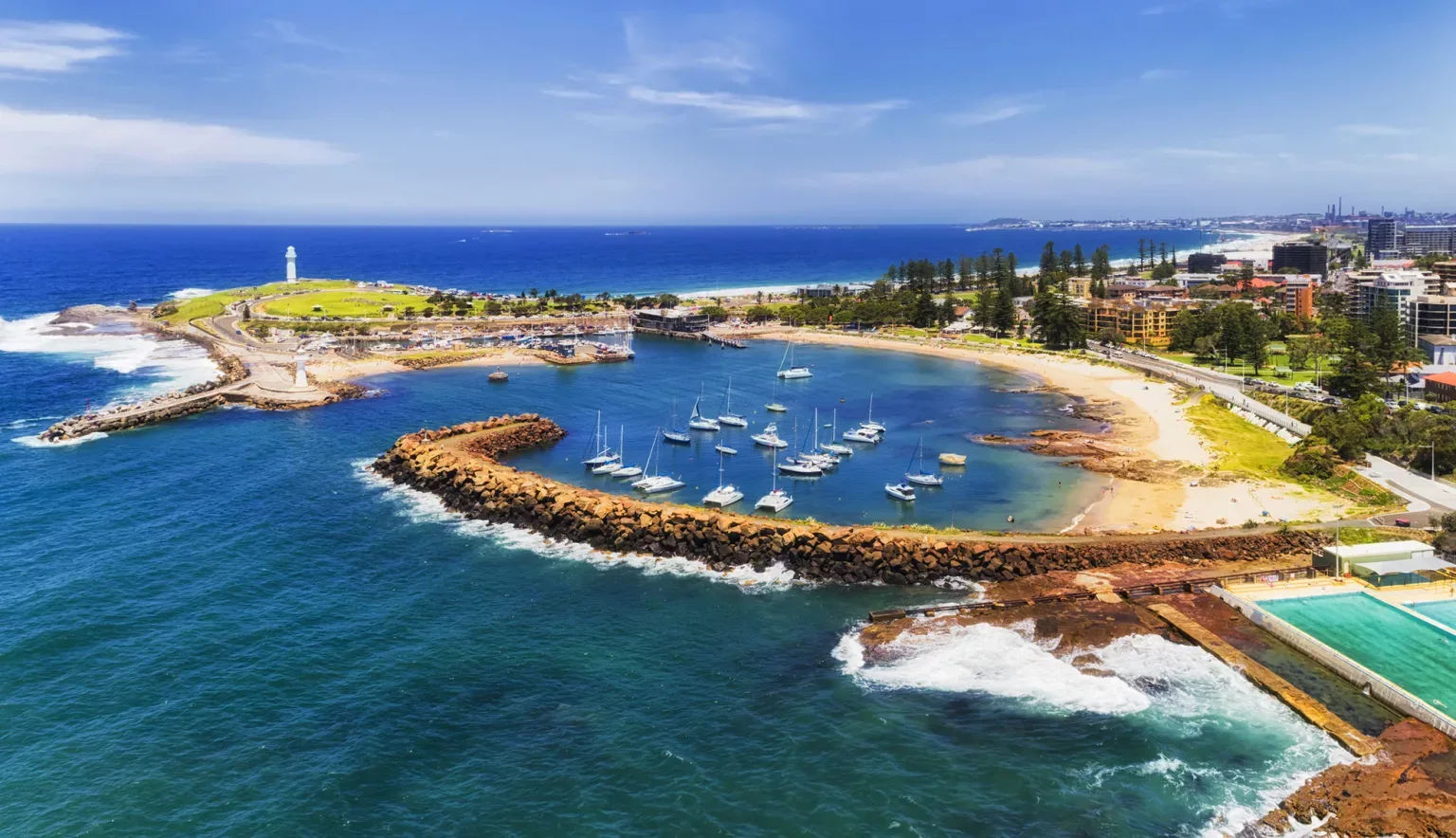
ALA’s lifeguard training program in PNG equips participants with a complete set of rescue, CPR, and first aid techniques that prepare them for real-life aquatic emergencies.
Would you like to read about: Lifeguard Training in Indonesia
The most famous urban beach in PNG is popular for family recreation and is monitored by trained lifeguards.
A premier diving and resort destination requiring certified lifeguards for guest safety.
Known for its coral reefs and snorkeling, making professional lifeguards vital for tourist protection.
A tropical paradise where lifeguards ensure the safety of swimmers and water sports enthusiasts.
A gateway to marine adventures and cruises, with designated lifeguard zones.
Ideal for scuba divers and swimmers, where trained lifeguards manage water safety daily.
The mission of lifeguard training in Papua New Guinea is to build a generation of skilled professionals capable of ensuring water safety and responding swiftly to emergencies.
With over 30 years of global experience, the American Lifeguard Association (ALA) stands as a trusted name in aquatic training. If you are searching for “lifeguard training near me” in Papua New Guinea, ALA is your ideal partner in achieving certification and beginning a rewarding aquatic career.
For more details on upcoming ALA lifeguard certification programs, visit the official ALA website or contact a local training center in Papua New Guinea.