If you visit swimming pools, lakes, or rivers in Mali, you’ll often see lifeguards on duty to keep everyone safe. A lifeguard’s essential role is to prevent accidents and respond quickly in emergencies, and that requires professional training. Lifeguard training in Mali prepares individuals to protect swimmers in pools, lakes, resorts, and water recreation areas across the country.
While Mali is a landlocked nation, it is home to large bodies of water like the Niger River and Lake Selingué, where water-based recreation and tourism are growing. With this expansion comes the need for trained lifeguards to ensure safety at aquatic facilities and natural water sites.
Lifeguards in Mali work at swimming pools, waterparks, lakes, and rivers to safeguard swimmers and respond to emergencies. As water sports and leisure activities expand, the demand for trained professionals continues to rise.
Lifeguard training in Mali is the first step toward a fulfilling and respected career in aquatics. Once certified by a trusted organization such as the American Lifeguard Association (ALA), individuals become well-qualified to seek employment at pools, resorts, and recreation areas.
ALA training centers in Mali provide a variety of certification courses, and training remains beneficial year-round. While outdoor facilities are busiest during the warm seasons, indoor and resort-based pools maintain constant demand for trained lifeguards.
With over 30 years of international experience, ALA has certified thousands of lifeguards serving across the world. Their certification is globally recognized and represents a high standard of safety and professionalism.
The American Lifeguard Association (ALA) is supported by Global Lifeguards and the Swimming Pool and Spa Foundation, both 501(c)(3) nonprofit organizations focused on drowning prevention and aquatic safety.
ALA’s mission is to make swimming pools, beaches, and waterways safer by partnering with employers worldwide to train professional lifeguards. The organization has been recognized by:
To enroll in ALA’s lifeguard training course in Mali, participants must meet the following minimum standards:
15 years or older to work at swimming pools or lakes
16 years or older to work at rivers or open-water facilities
Candidates must also demonstrate these ALA prerequisite skills:
Swim 300 yards continuously using the following strokes:
100 yards of front crawl with rhythmic breathing and stabilizing kick
100 yards of breaststroke using pull, breath, kick, and glide sequence
100 yards of either stroke or a combination of both
Timed event (within 1 minute and 40 seconds):
Start in the water, swim 20 yards using front crawl or breaststroke
Surface dive 7–10 feet, retrieve a 10-pound object
Swim 20 yards back to the start with the object
Exit the water without using steps or ladders
Upon completion, participants earn an American Lifeguard Certificate valid for two years, covering Lifeguarding, CPR/AED for the Professional Rescuer, and First Aid.
Would you like to read about: Lifeguard training in Ethiopia
Lifeguarding in Mali offers more than just a summer job — it can develop into a long-term professional career. Year-round employment is available at resort pools, recreation centers, and sports complexes.
With further training, lifeguards can advance into specialized and higher-paying roles such as:
Water Safety Instructor
Swim Coach
Aquatic Supervisor or Facility Manager
These roles provide leadership experience and help promote water safety and public health across communities.
ALA’s comprehensive course helps participants master all aspects of professional aquatic rescue and emergency response.
Slide-In Entry; Stride and Compact Jumps
Rescue Approach (front crawl or breaststroke)
Simple, Extension, and Throwing Assists
Active and Passive Drowning Victim Rescues
Two-Person Backboard Removals
Submerged Victim Recovery (shallow & deep water)
Multiple-Victim Rescue and Head-Hold Escapes
Removing Gloves and Initial Assessment
Rescue Breathing (Adult, Child, Infant)
Bag-Valve-Mask Resuscitation (Two Rescuers)
Conscious and Unconscious Choking Response
One- and Two-Rescuer CPR (Adult, Child, Infant)
AED Use (Adult and Child)
Secondary Assessment
Controlling Bleeding
Applying Slings, Binders, and Splints
Active Drowning Victim
Submerged Passive Drowning Victim
Suspected Head, Neck, or Back Injury
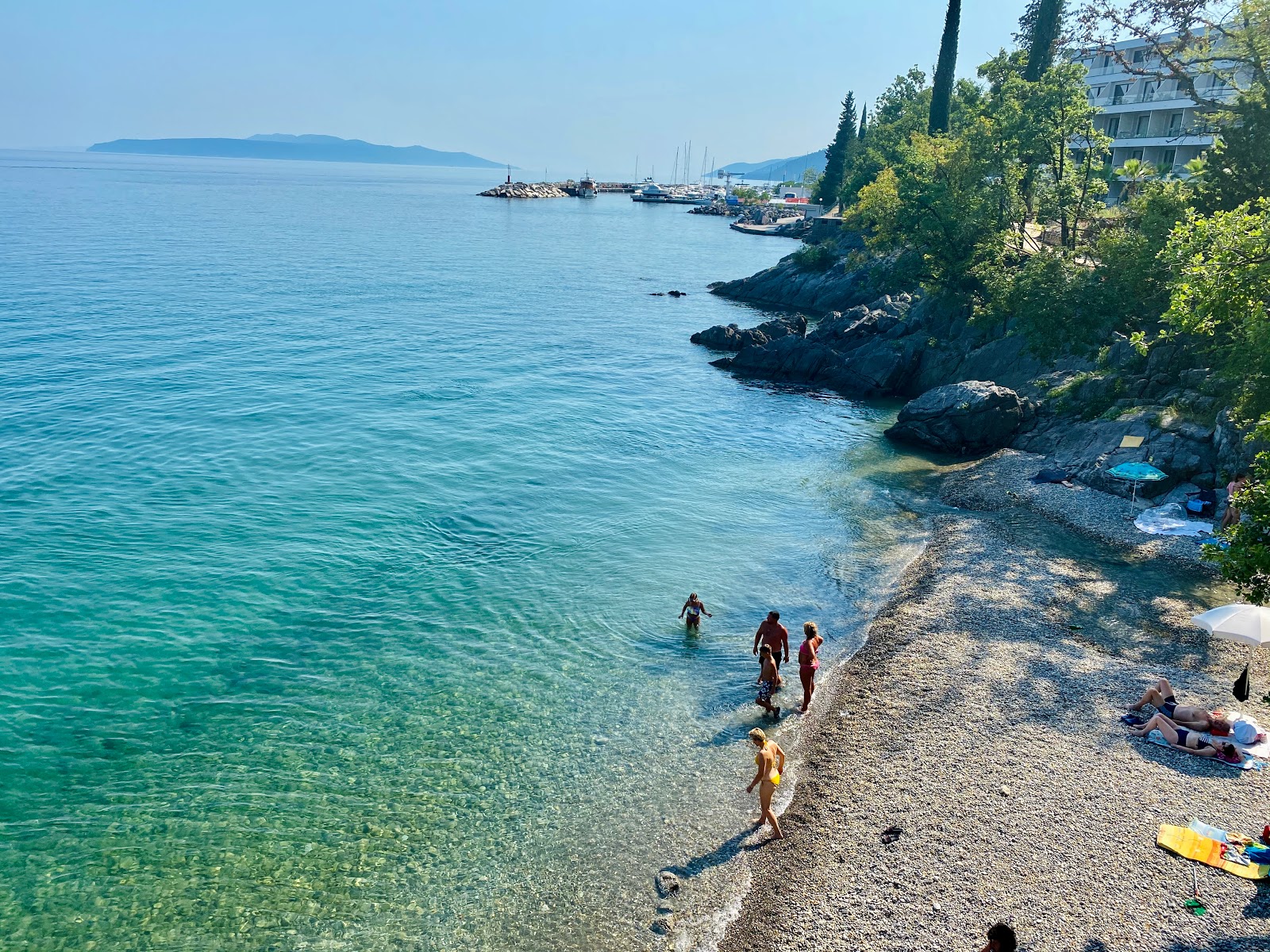
Niger River Beach (Bamako): Popular for swimming and boating near the capital, lifeguard presence is growing at community recreation zones and resorts.
Bamako Hotel Pools: Major hotels and leisure centers employ certified lifeguards year-round to ensure guest safety.
Lake Selingué: A large artificial lake known for fishing, boating, and water recreation. Lifeguards are essential during holiday and festival seasons.
Kangaba Falls and River Zones: Tourist attraction with natural swimming pools and small waterfalls; trained lifeguards are vital during high visitor seasons.
Koulikoro Riverside: A popular relaxation and swimming area for locals along the Niger River, needing improved safety supervision.
Manantali Lake: One of the largest reservoirs in Mali, popular for boating and swimming activities. Lifeguards are recommended in resort and fishing areas.
The main goal of lifeguard training in Mali is to equip individuals with the skills and confidence to protect swimmers and reduce aquatic accidents. Lifeguards in Mali play an essential role in making local pools, lakes, and rivers safer for everyone.
The American Lifeguard Association (ALA) remains one of the world’s most respected aquatic safety training providers. With a strong ethical foundation and global reach, ALA ensures that its programs meet international standards for excellence.
If you’re searching for “lifeguard training near me” in Mali, the American Lifeguard Association is your trusted choice. For more information about ALA lifeguard certification programs in Mali, please contact us today.