
If you visit beaches or swimming pools in São Tomé and Príncipe, you’ll often find lifeguards on duty ensuring everyone’s safety. Their primary responsibility is to prevent accidents and respond quickly to emergencies and tasks that require specialized training.
Lifeguard training in Sao Tome and Principe fulfills this purpose by preparing individuals to protect swimmers in beaches, lagoons, hotels, and aquatic centers.
This island nation, surrounded by the Atlantic Ocean, is home to stunning coastlines, tropical beaches, and resort pools, where swimming and water recreation are popular year-round. With this strong aquatic culture, the demand for trained lifeguards is growing steadily, particularly during the tourist peak season between June and September.
Lifeguards play a crucial role in protecting both locals and tourists at beaches, pools, and resorts across the islands. As the tourism industry expands, the need for certified aquatic professionals continues to rise.
Completing lifeguard training in Sao Tome and Principe through the American Lifeguard Association (ALA) is the first step toward a career in aquatic safety. Once certified, you can work at beaches, hotels, and waterparks, both locally and abroad.
The ALA offers comprehensive lifeguard courses combining water-rescue practice, first aid, and emergency-response education. These programs run year-round, thanks to the country’s warm climate and active tourism industry.
With more than 30 years of international experience, ALA certification is widely recognized and demonstrates professional competence and commitment to public safety.
The American Lifeguard Association (ALA) partners with Global Lifeguards and the Swimming Pool and Spa Foundation, both nonprofit organizations dedicated to preventing drownings and improving aquatic safety worldwide.
ALA’s mission is to make beaches, pools, and waterways safer through expert training and collaboration with employers and local authorities. Its programs are aligned with:
Courses incorporate the latest ECC science and best practices from international water-safety reports.
Employers trained under ALA are encouraged to adopt the Model Aquatic Health Code (MAHC) guidelines, ensuring the highest level of safety and operational quality.
To join an ALA lifeguard training course, candidates must meet the following eligibility criteria and physical standards.
Before certification, participants must demonstrate:
Upon completion, trainees receive an ALA Lifeguard Certificate, CPR/AED for the Professional Rescuer, and First Aid certification, valid for two years.
Lifeguarding in Sao Tome and Principe can become a rewarding year-round profession, not just a seasonal job. Certified lifeguards can progress into higher roles such as:
These roles bring better pay, management experience, and opportunities to contribute to community safety. ALA-certified professionals are also eligible to work internationally across resorts, cruise lines, and aquatic facilities.
ALA’s training program develops critical lifesaving and medical skills, ensuring candidates are ready for any emergency.
All training sessions emphasize real-life rescue scenarios to build confidence and precision under pressure.
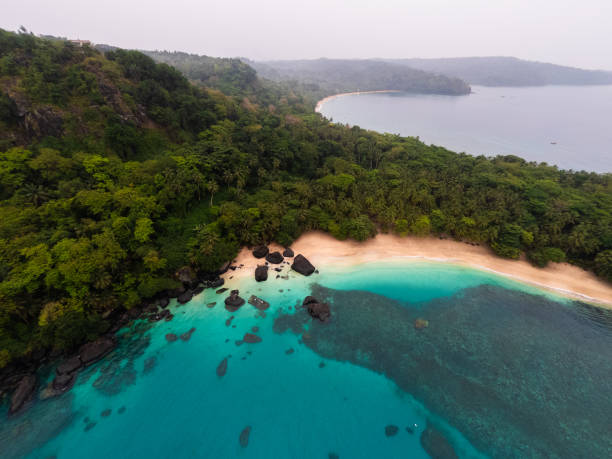
The islands boast some of the most beautiful yet challenging beaches in the Atlantic, where lifeguards play a vital role in protecting swimmers and tourists:
These destinations reflect the growing need for qualified ALA lifeguards to maintain safety and professionalism across Sao Tome and Principe’s aquatic attractions.
The goal of lifeguard training in Sao Tome and Principe is to prepare individuals to respond confidently to emergencies and prevent accidents before they happen. Lifeguards not only save lives but also promote a culture of safety and awareness.
The American Lifeguard Association (ALA) stands as one of the world’s leading aquatic-safety organizations, offering trusted, globally recognized certification.
Suppose you’re searching for “lifeguard training near me” in Sao Tome and Principe. In that case, the ALA program is your best choice backed by over 30 years of international experience, ethical training, and a deep commitment to water safety.
For details or registration, contact the American Lifeguard Association today.