
If you visit beaches, natural pools, or resorts in Niue, you’ll often see lifeguards on duty, ensuring swimmers and tourists stay safe. A lifeguard’s primary job is to prevent water accidents and respond immediately in emergencies, requiring specialized, high-level training.
Lifeguard training in Niue prepares individuals with the knowledge and skills needed to handle any water-related emergency effectively. From mastering rescue techniques to CPR and first aid, the training ensures lifeguards are confident and capable in all aquatic settings.
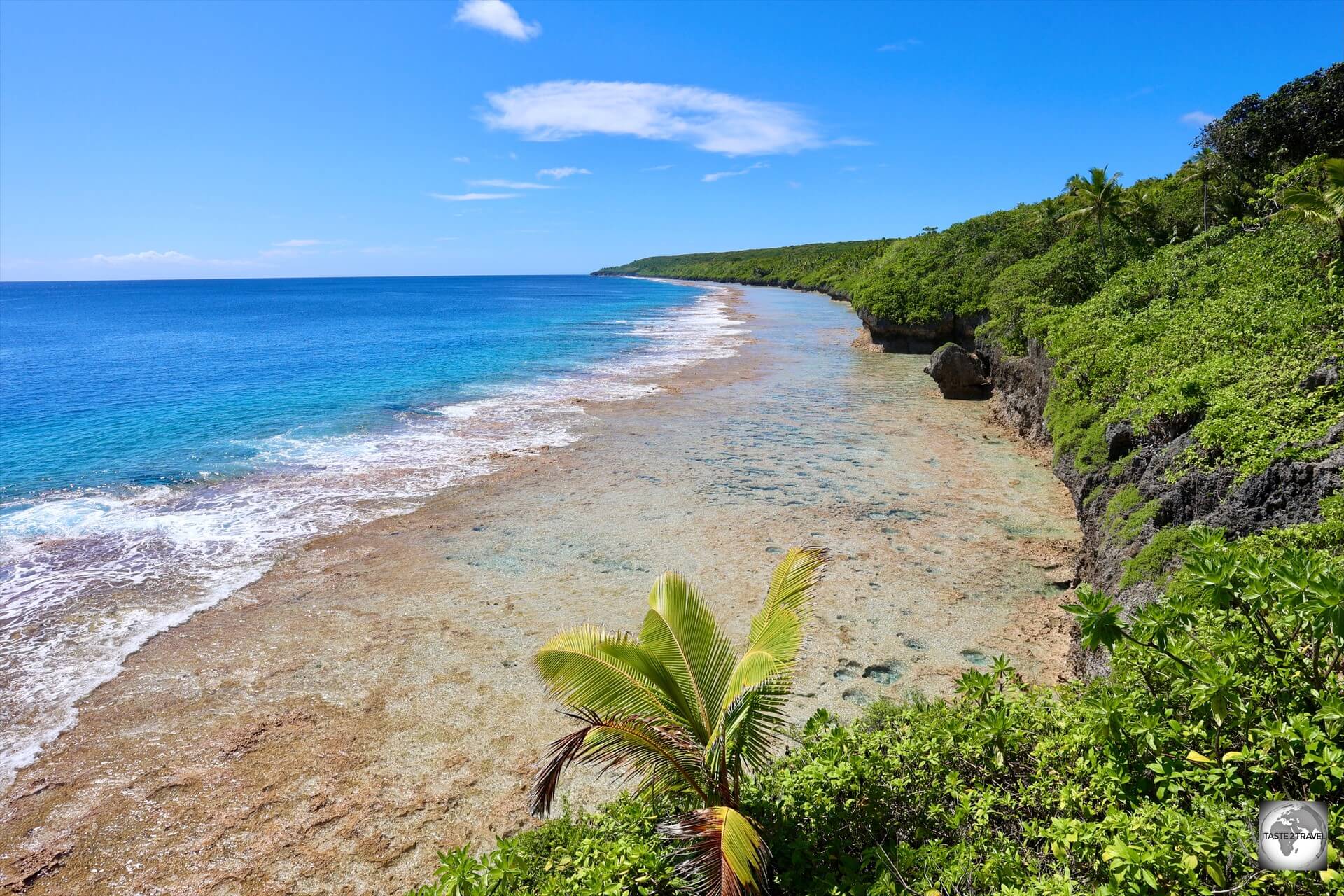
Although Niue is a small island nation in the South Pacific, its surrounding coral reefs, caves, and natural swimming spots attract visitors year-round. The island’s warm climate and clear waters make swimming, snorkeling, and diving common recreational activities. This growing interest in aquatic tourism increases the need for trained and certified lifeguards, especially during the high visitor seasons.
Lifeguards in Niue play a crucial role in protecting swimmers and tourists in both natural and man-made aquatic environments. Whether stationed at beaches, resort pools, or marine attractions, lifeguards ensure safety by monitoring conditions, enforcing rules, and performing rescues when needed.
Given Niue’s coastal landscape, lifeguards must also be familiar with tides, reef structures, and marine life to manage risks effectively.
Lifeguard training in Niue is the foundation for anyone pursuing a rewarding career in water safety. Certification through the American Lifeguard Association (ALA) provides a trusted qualification recognized globally. ALA-certified lifeguards are respected for their professionalism and preparedness.
Training is offered throughout the year, enabling both residents and visitors to gain international credentials that open doors to job opportunities locally and abroad.
With over 30 years of experience, ALA has trained thousands of lifeguards around the world. Their programs in Niue emphasize hands-on rescue techniques, safety management, and real-life emergency scenarios, ensuring every trainee meets international aquatic safety standards.
The American Lifeguard Association (ALA) is an internationally recognized organization dedicated to promoting water safety, drowning prevention, and professional training for lifeguards. It is supported by Global Lifeguards and the Swimming Pool and Spa Foundation, both nonprofit organizations committed to enhancing aquatic safety worldwide.
The ALA’s mission is to make beaches, pools, and waterways safer through certified lifeguard training programs. It partners with employers and safety agencies across the globe to ensure the highest safety standards are maintained.
ALA’s credibility is reinforced through its collaboration with leading public health and safety institutions, including:
Its curriculum also reflects findings from international lifeguard training studies and requires adherence to the Model Aquatic Health Code (MAHC). This ensures all lifeguards trained in Niue meet global standards of competency, professionalism, and safety.
To enroll in ALA lifeguard training in Niue, candidates must meet certain physical and age-based requirements that ensure they can perform rescues safely and effectively.
Each participant must demonstrate the ability to:
After successfully completing the course, each participant receives:
All certifications remain valid for two years and are accepted internationally.
While some people view lifeguarding as a part-time or seasonal job, it can lead to a long-term and rewarding career in the field of aquatic safety and recreation management. Lifeguards in Niue can progress into supervisory or instructional roles with further training and experience.
These roles not only offer professional development but also provide the opportunity to contribute to public health and community safety—essential in a country where tourism and water recreation play vital roles in the economy.
During ALA lifeguard training, participants gain a well-rounded education in rescue techniques, first aid, and emergency response. The training focuses on practical, scenario-based learning to ensure each trainee can respond confidently to real-life emergencies.
Proper care for spinal injuries is essential in lifeguarding. Trainees learn to stabilize and transport victims safely without causing further harm.
ALA courses include emergency life support techniques used by professionals worldwide.
First aid is vital in treating minor injuries and stabilizing major incidents until professional medical help arrives.
At the end of training, participants must successfully demonstrate their ability to manage realistic emergency situations:
Would you like to read about: Lifeguard Training in Tonga
Niue’s coastline offers breathtaking beaches and natural swimming areas where safety supervision is vital for locals and tourists alike.
Utuko Beach: A family-friendly spot near the capital with calm waters and scenic views. Lifeguards monitor this area during the busy tourist months to ensure safety.
Avatele Beach: Famous for snorkeling and clear turquoise waters, this beach often has seasonal lifeguards during peak hours.
Limu Natural Pools: Surrounded by coral and rocks, these pools are a favorite for swimming and snorkeling. Lifeguards and local guides maintain safety for all visitors.
Hi Beach: Known for its crystal-clear waters and peaceful surroundings, it has safety patrols during tourism season to monitor swimmers.
The purpose of lifeguard training in Niue is to equip individuals with the skills and confidence to save lives in aquatic environments. Lifeguards not only prevent drowning but also educate the public about safe swimming habits and ocean awareness.
The American Lifeguard Association (ALA) remains one of the world’s leading aquatic safety organizations, committed to promoting excellence in lifeguard education and certification. With its globally recognized programs, aspiring lifeguards in Niue can gain valuable training that meets international safety standards.
If you’re searching for “lifeguard training near me in Niue”, the American Lifeguard Association offers the perfect opportunity to start your journey toward becoming a professional, certified lifeguard.