
If you visit beaches or swimming pools in Libya, you will notice lifeguards on duty to ensure everyone’s safety. The lifeguard’s essential job is to help prevent accidents and respond quickly in emergencies, which requires specialized training. Lifeguard training in Libya serves this purpose, preparing individuals to protect swimmers at beaches, resorts, lakes, and swimming pools.
Libya has a long Mediterranean coastline stretching over 1,700 kilometers, offering many beaches, tourist spots, and recreational swimming areas. With warm weather and an increasing number of coastal visitors, the demand for trained lifeguards continues to rise, particularly during peak summer months.
Lifeguards serve at beaches, hotels, water recreation centers, and swimming pools across Libya to protect swimmers. With the country developing its tourism and hospitality sectors, there are expanded opportunities for individuals interested in lifeguarding as a rewarding role.
Lifeguard training in Libya is the first step toward entering the aquatics field. Once certified by a respected organization such as the American Lifeguard Association (ALA), candidates become qualified to seek employment at beaches, resorts, aquatic facilities, and private pools.
ALA offers internationally recognized training programs that equip Libyan lifeguards with valuable credentials for both local and overseas job prospects.
The American Lifeguard Association is backed by Global Lifeguards and the Swimming Pool and Spa Foundation, both nonprofit organizations committed to improving aquatic safety worldwide.
ALA’s mission is to enhance safety at swimming pools, beaches, and waterways. It collaborates with employers internationally, including regions like North Africa, where lifeguard training is increasingly essential.
ALA is recognized by major organizations such as:
And the latest ECC guidelines, while incorporating global aquatic safety standards, such as the Model Aquatic Health Code (MAHC).
To enroll in the American Lifeguard Association’s lifeguard training program in Libya, candidates must meet the following minimum age requirements:
Candidates must show proficiency in:
In 1 minute and 40 seconds, candidates must:
Upon completion, participants receive:
All certifications are valid for two years.
While lifeguarding is often seen as a summer job, it can develop into a full-time profession in Libya due to its expanding tourism, hotel industry, and coastal recreation.
Professional lifeguards may work at:
With additional certifications, lifeguards can advance into:
These positions offer higher responsibility, leadership potential, and improved career prospects.
During the ALA lifeguard training course, participants develop key skills across water rescue, CPR/AED, and First Aid to ensure effective emergency response.
Rescue Skills
Caring for Head, Neck, or Back Injuries
CPR/AED for the Professional Rescuer Skills
Final Skill Scenarios
Would you like to read about: Lifeguard Training in Egypt
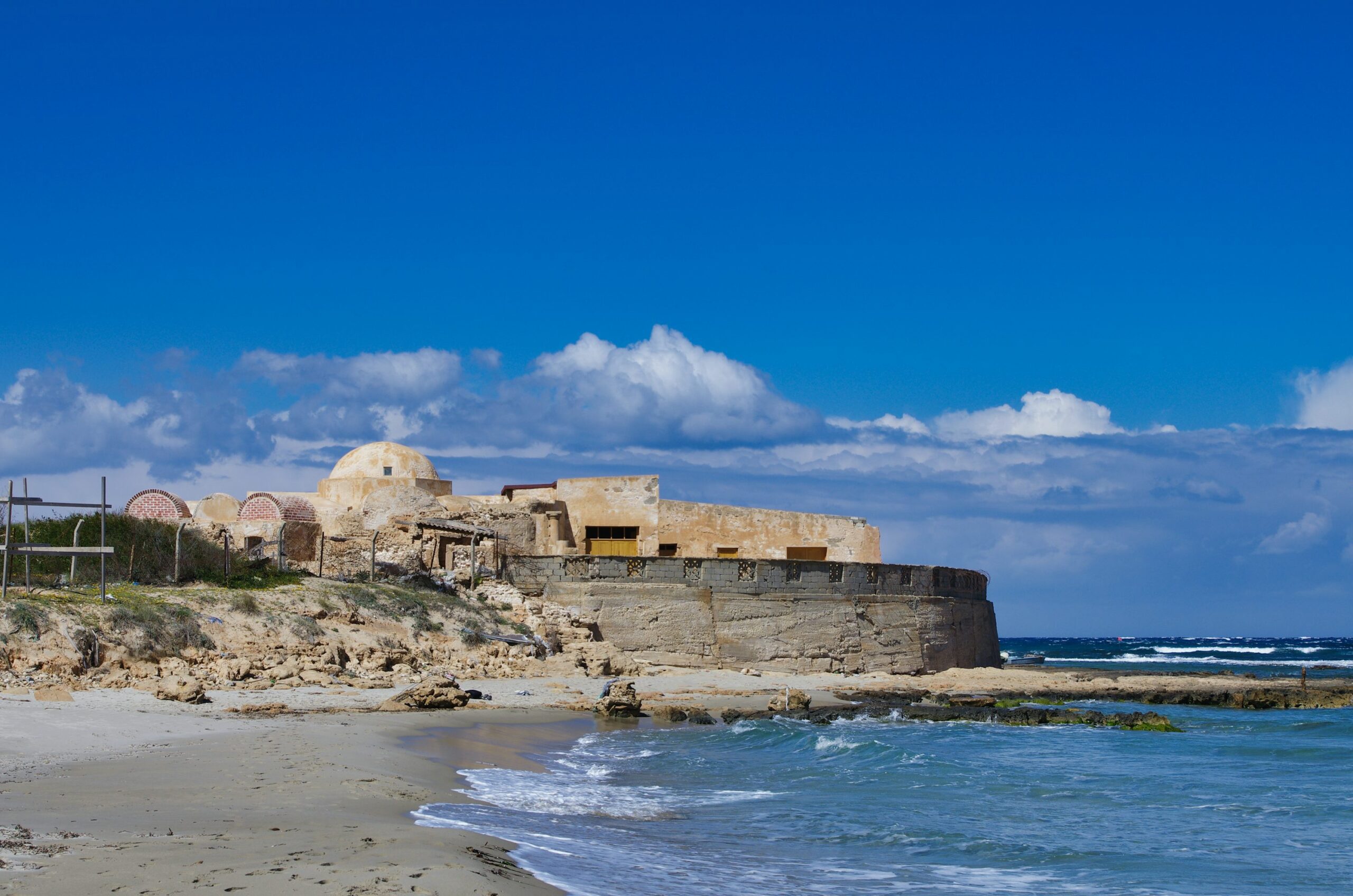
A pristine coastal area with clear water, ideal for swimming but requiring trained lifeguards.
A popular beach with high visitor activity, increasing the importance of professional supervision.
A busy waterfront area where designated swimming zones benefit from trained lifeguards.
A scenic beach with strong waves, making lifeguard presence valuable.
A popular family spot where trained lifeguards help maintain water safety.
The main purpose of lifeguard training is to prepare individuals to keep swimmers safe. In Libya, lifeguards monitor beaches, hotels, pools, and water recreation zones, using rescue equipment and professional skills to prevent accidents.
The American Lifeguard Association is recognized worldwide for aquatic safety training. With over 30 years of experience, ALA maintains high ethical, professional, and safety standards.
If you are searching for “lifeguard training near me in Libya,” the American Lifeguard Association is a reliable and professional choice. For details on enrollment and certification, please contact ALA.