
If you spend time at beaches or swimming pools in Micronesia, you’ll often see lifeguards on duty, ensuring everyone’s safety. Lifeguards play a vital role in preventing accidents and responding effectively during emergencies, a responsibility that requires specialized training.
Lifeguard training in Micronesia serves this purpose: preparing individuals to protect swimmers at beaches, lakes, waterparks, and swimming pools across the Pacific islands.
Micronesia, with its turquoise waters, coral reefs, and world-famous diving sites, is a paradise for water enthusiasts. From Pohnpei’s hidden lagoons to Chuuk’s shipwreck dives, water activities are central to local life and tourism. This abundance of aquatic destinations creates a constant need for trained lifeguards, especially during the high travel and recreation seasons.
Lifeguards in Micronesia safeguard beaches, pools, lakes, and resort waterparks, ensuring that swimmers, tourists, and locals alike remain safe. While Micronesia may seem remote compared to mainland nations, its popularity among divers and beach travelers means there are numerous opportunities for those who wish to build a rewarding career in aquatics.
Lifeguard training in Micronesia is the first step toward that goal. Once certified by a respected organization such as the American Lifeguard Association (ALA), candidates are well-qualified to seek employment in resorts, coastal facilities, or local community pools.
ALA training centers in Micronesia offer multiple lifeguard training and certification options. While demand peaks during the tourist-heavy summer months, opportunities continue throughout the year due to Micronesia’s warm, tropical climate and numerous indoor or sheltered aquatic facilities.
With over 30 years of experience, the ALA has trained lifeguards who now serve in communities across the world. Holding an ALA certification demonstrates not only professional training but also a strong commitment to aquatic safety and excellence.
The American Lifeguard Association (ALA) is recognized internationally as a leading provider of aquatic health and safety education. It is supported by Global Lifeguards and the Swimming Pool and Spa Foundation, both nonprofit organizations dedicated to drowning prevention and public safety.
ALA’s mission is simple yet powerful: to make beaches, pools, and waterways safer for everyone. To achieve this, ALA works closely with employers, resorts, and recreational organizations across North America and the Pacific region to establish high standards of lifeguard training.
ALA has been referenced by major public health agencies, including:
Training reflects the latest ECC science and draws on findings from the United States Lifeguard Training Standards Coalition Report.
Employers are also encouraged to meet Model Aquatic Health Code (MAHC) requirements, ensuring pre-service evaluations and continuous in-service training for all staff members.
To enroll in ALA’s lifeguard training program in Micronesia, candidates must meet certain minimum age and skill requirements similar to U.S. labor standards:
15 years or older to work at swimming pools, waterparks, or lakes
16 years or older to work at beaches or open water facilities
Participants must also demonstrate the following ALA prerequisite skills to successfully complete the program:
Swim 300 yards continuously, using the following strokes:
100 yards of front crawl with rhythmic breathing and a stabilizing, propulsive kick
100 yards of breaststroke using a pull-breath-kick-glide sequence
100 yards of either front crawl or breaststroke (or a combination of both)
Start in the water, swim 20 yards using front crawl or breaststroke
Surface dive 7–10 feet to retrieve a 10-pound object
Swim 20 yards back to the starting point with the object
Exit the water without using steps or ladders all within 1 minute and 40 seconds
Upon successful completion, each participant receives an American Lifeguard Certificate in:
Lifeguarding
CPR/AED for the Professional Rescuer
First Aid
All certifications remain valid for two years.
Would you like to read about: Lifeguard training in Marshall Islands
While many view lifeguarding as a summer job for students or seasonal workers, it can easily grow into a long-term, rewarding career.
With additional training, a certified lifeguard can advance to positions such as:
Water Safety Instructor
Swim Coach
Aquatic Supervisor or Manager
Resort Safety Director
These roles offer higher pay, leadership responsibilities, and the satisfaction of promoting public safety year-round. In tourism-driven regions like Micronesia, skilled aquatic professionals are always in demand.
During ALA lifeguard training, participants develop a broad range of rescue, CPR/AED, and First Aid skills designed to meet international standards.
Slide-In Entry, Stride, and Compact Jumps
Rescue Approach (front crawl or breaststroke)
Simple, Extension, and Throwing Assists
Active and Passive Drowning Victim Rescues
Two-Person Removal Using a Backboard
Submerged Victim Recovery (shallow and deep water)
Multiple-Victim and Deep-Water Rescues
Head-Hold Escapes and Stabilization Techniques
Removing Gloves and Performing Initial Assessment
Rescue Breathing (adult, child, infant)
Bag-Valve-Mask Resuscitation (two rescuers)
Conscious and Unconscious Choking Management
One- and Two-Rescuer CPR for All Age Groups
AED Use (adult and child)
Secondary Assessment and Emergency Prioritization
Controlling External Bleeding
Applying Slings, Binders, Anatomic, and Soft Splints
Active Drowning Victim
Submerged Passive Drowning Victim
Head, Neck, or Back Injury
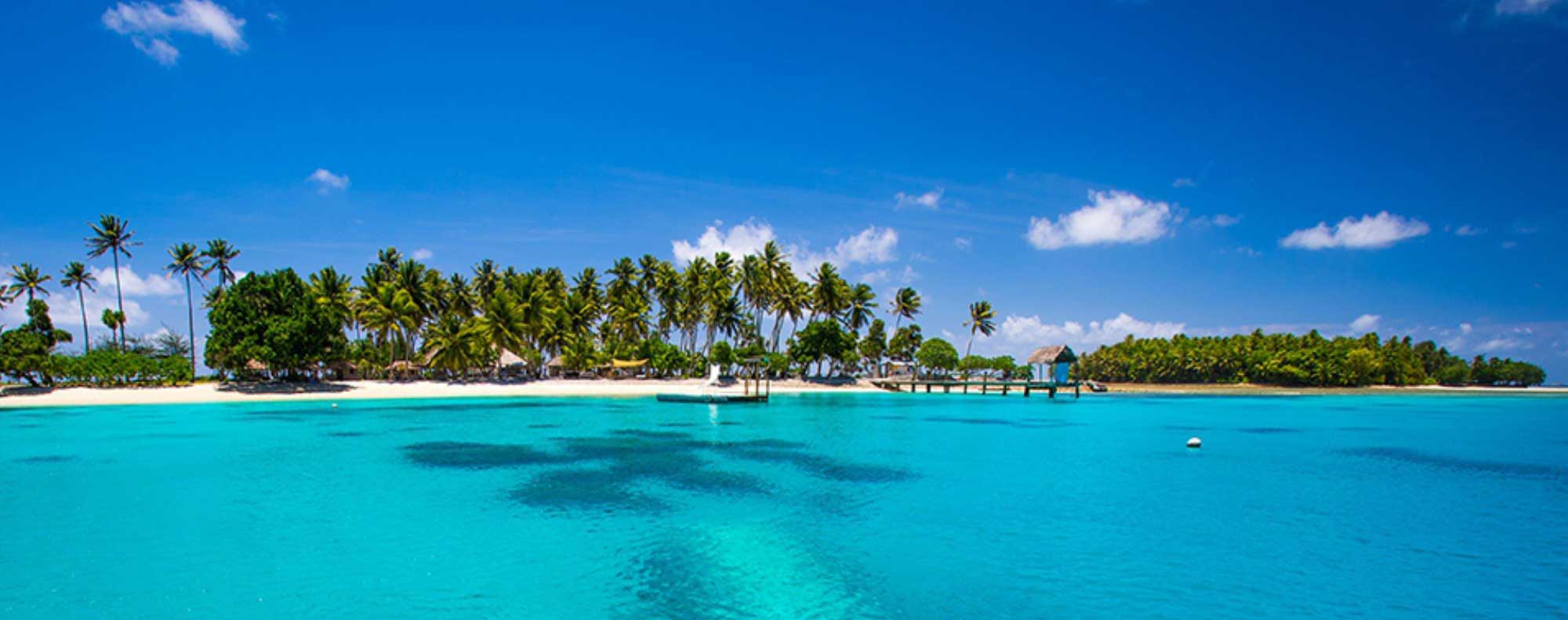
Micronesia’s islands boast some of the most breathtaking beaches in the Pacific. While many are serene and remote, certain beaches attract large crowds and benefit greatly from lifeguard supervision.
A world-famous surf destination known for its massive waves and pristine reefs. Lifeguards are recommended during high surf seasons, especially for visiting surfers unfamiliar with local currents.
A popular dive and snorkel site surrounded by calm waters but deep drop-offs. Lifeguards and dive safety professionals often monitor the area during tour operations.
A picturesque bay ideal for swimming and kayaking. Calm most of the year, but sudden changes in tide make trained lifeguards important during peak tourist months.
Located near the island’s main town, this beach is frequented by locals and tourists. It’s ideal for beginners and families, and lifeguards are often stationed during community events.
Remote but breathtakingly beautiful. Though typically unguarded, resorts organizing trips here often employ certified ALA-trained lifeguards to ensure visitor safety.
Perhaps Micronesia’s most visited beach, known for its white sand and crystal waters. During high tourism seasons, professional lifeguards monitor the main swimming areas.
A UNESCO Biosphere Reserve with turquoise lagoons and strong currents at the entrance channel. Lifeguard-trained guides accompany visitors to maintain safety.
The main goal of lifeguard training is to prepare individuals to protect lives and maintain a safe aquatic environment. Lifeguards often monitor from elevated chairs, patrol open water zones, and use binoculars or rescue boards to oversee swimmers.
The American Lifeguard Association stands as one of the most respected aquatic safety training organizations in the world. With more than three decades of experience, ALA continues to uphold a strong code of ethics and a global commitment to excellence.
For lifeguard training in Micronesia, if you’re searching for “lifeguard training near me,” look no further than the American Lifeguard Association (ALA).
For more information about lifeguard certification and course schedules, please contact the ALA today.