If you visit the beautiful beaches or swimming pools across the Solomon Islands, you’ll often see lifeguards on duty, ensuring that every swimmer stays safe. A lifeguard’s primary duty is to prevent accidents and respond quickly in emergencies, a role that requires proper training, vigilance, and professionalism.
Lifeguard training in the Solomon Islands equips individuals with the skills to protect swimmers in pools, lagoons, beaches, and resorts. With over 900 islands surrounded by the warm waters of the Pacific Ocean, the Solomon Islands are a paradise for swimmers, snorkelers, and divers. This tropical setting also means that trained lifeguards are essential for maintaining water safety across the region.
From the vibrant beaches of Honiara to the crystal-clear shores of Gizo and Auki, aquatic safety has become an important part of the country’s growing tourism and recreation culture.
Lifeguards play a vital role in ensuring public safety at beaches, waterparks, resorts, and swimming pools throughout the Solomon Islands. With the region’s reliance on ocean and coastal activities, trained lifeguards are in high demand year-round.
Becoming a lifeguard begins with proper training. The American Lifeguard Association (ALA) offers internationally recognized lifeguard certification programs that prepare candidates to handle aquatic emergencies with confidence and professionalism.
Once certified by ALA, lifeguards can seek employment at beach resorts, hotels, cruise ships, and aquatic centers both locally and internationally. With more than 30 years of experience, ALA has trained thousands of lifeguards worldwide, many now serving in communities throughout the Pacific.
The American Lifeguard Association (ALA) is a global leader in aquatic safety and rescue training. Supported by Global Lifeguards and the Swimming Pool and Spa Foundation, both nonprofit 501(c)(3) organizations, ALA’s mission is to reduce drownings and make beaches and pools safer for everyone.
ALA works with employers and public health organizations across the world to develop best practices in lifeguarding and water rescue. Its training programs have been referenced by leading authorities, including:
, the latest ECC science, and the Model Aquatic Health Code (MAHC). This ensures that ALA-certified lifeguards meet the highest standards of safety and preparedness.
To enroll in ALA lifeguard training in the Solomon Islands, participants must meet the following criteria:
Upon successful completion, participants receive an American Lifeguard Certificate in Lifeguarding, CPR/AED, and First Aid, valid for two years. This certification is recognized internationally, giving graduates global career opportunities.
While some people view lifeguarding as a seasonal or part-time role, it can lead to a fulfilling career. In the Solomon Islands, lifeguards are needed not only on beaches but also at resorts, schools, and aquatic centers throughout the year.
With experience and additional training, lifeguards can progress into advanced positions such as:
These roles offer leadership potential, higher pay, and the opportunity to contribute to public health and community well-being.
ALA’s lifeguard training program covers a wide range of essential rescue and emergency care skills.
The combination of practical water rescue and emergency response training ensures ALA graduates are fully prepared to save lives both on land and in water.
Would you like to read about: Lifeguard Training in Papua New Guinea
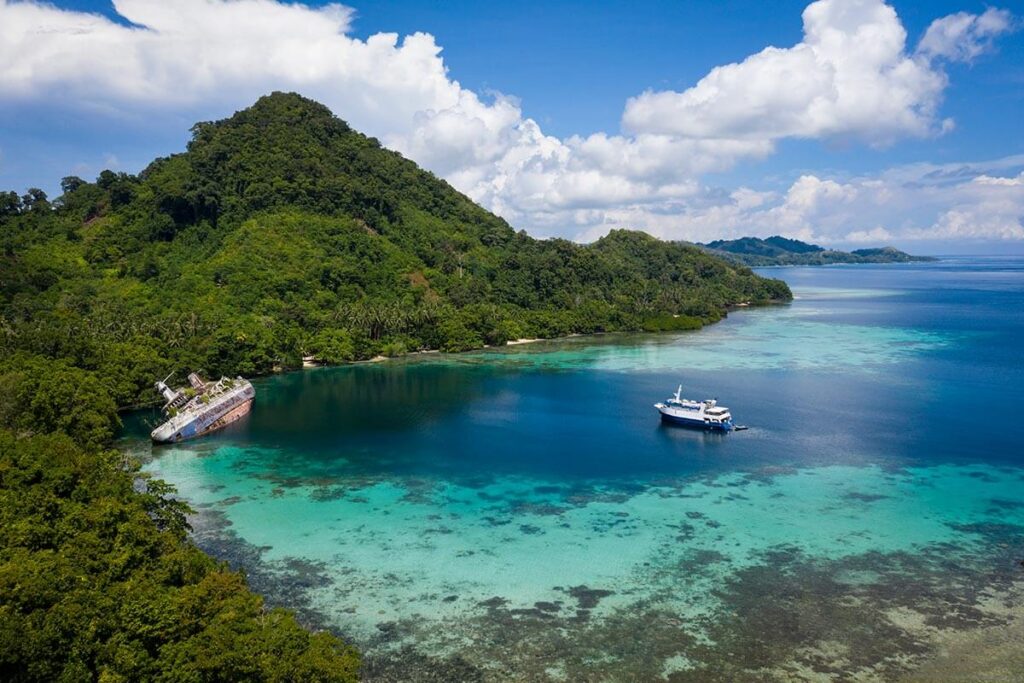
At a top diving and snorkeling spot with clear waters and shipwrecks nearby, trained lifeguards are crucial for safety.
Ideal for swimming and family outings, it attracts both locals and tourists, requiring regular lifeguard supervision.
Popular among eco-tourists for diving and kayaking, lifeguards ensure visitor safety in strong currents.
Known for its coral reefs and lagoons, Gizo’s beaches benefit from lifeguard presence to assist divers and swimmers.
A historic diving hub where trained lifeguards are essential for monitoring boat and snorkel tours.
A busy swimming area where lifeguards help maintain safety for residents and travelers alike.
Lifeguard training in the Solomon Islands goes beyond swimming; it’s about leadership, confidence, and life-saving responsibility. With professional certification from the American Lifeguard Association, individuals can build meaningful careers while ensuring community safety.
With over 30 years of global experience, ALA continues to be a trusted name in aquatic training, helping lifeguards protect lives across beaches, pools, and waterways worldwide.
If you’re searching for “lifeguard training near me” in the Solomon Islands, the American Lifeguard Association (ALA) is your best choice for world-class training and certification.