
If you visit the beaches or swimming pools of Uruguay, you’ll notice trained lifeguards on duty, ensuring everyone’s safety and peace of mind. The primary responsibility of a lifeguard is to prevent accidents and respond effectively in emergencies, a skill that requires expert training and discipline.
Lifeguard training in Uruguay provides this vital preparation, teaching individuals how to protect swimmers at beaches, rivers, lakes, and pools across the country.
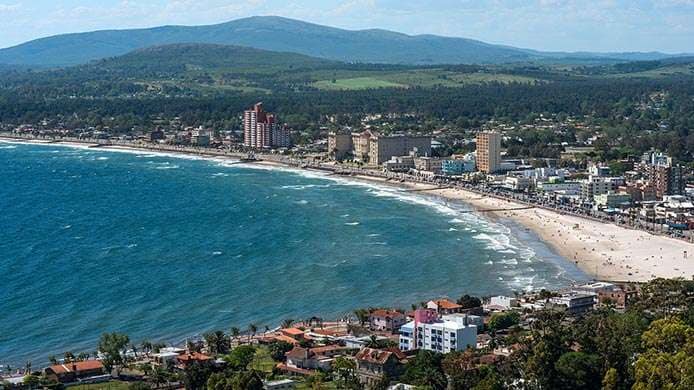
With its stunning 660 kilometers of coastline along the Atlantic Ocean and the Río de la Plata, Uruguay is home to many popular beaches, including Punta del Este, Piriápolis, and La Paloma. These attract thousands of visitors, especially during summer, increasing the demand for certified lifeguards to maintain safety.
Lifeguards in Uruguay play a vital role in ensuring water safety across beaches, pools, and recreational waterparks. During the summer months, major beaches in Montevideo, Rocha, Maldonado, and Canelones employ lifeguards to oversee the growing number of swimmers.
Lifeguard training with the American Lifeguard Association (ALA) offers a professional pathway into the aquatic safety field. Once certified, candidates can seek employment at beaches, resorts, hotels, and sports complexes throughout Uruguay.
The ALA training centers provide internationally recognized lifeguard certification that meets global standards. Whether it’s a coastal beach or a hotel pool, trained lifeguards ensure public safety while gaining rewarding career opportunities.
With over 30 years of excellence, ALA-certified lifeguards are recognized globally for their competence, leadership, and professionalism.
The American Lifeguard Association (ALA) is supported by Global Lifeguards and the Swimming Pool and Spa Foundation, both nonprofit organizations committed to reducing drownings and promoting water safety education.
ALA’s mission is simple yet powerful: to make swimming pools, beaches, and waterways safer for everyone.
To achieve this, ALA partners with local employers, municipalities, and recreation centers across the Americas, including Uruguay, to train and certify lifeguards according to international safety protocols.
ALA has been recognized by major institutions such as:
And the Model Aquatic Health Code (MAHC), ensuring the highest quality of aquatic safety training.
To enroll in ALA lifeguard training in Uruguay, candidates must meet essential age and physical requirements to ensure capability and readiness.
Upon completion, candidates receive certifications in:
While lifeguarding is often seen as a summer role, in Uruguay it can evolve into a long-term, fulfilling profession. With many resorts, aquatic centers, and hotels operating year-round, opportunities extend beyond the tourist season.
Certified lifeguards can progress to positions such as:
These advanced positions offer greater responsibility, higher salaries, and contribute significantly to public safety and community well-being.
During the ALA lifeguard course, trainees acquire practical skills in rescue, first aid, and emergency response to handle real-life scenarios confidently.
This comprehensive training prepares candidates to respond quickly and effectively in both pool and open-water emergencies.
Would you like to read about: Lifeguard Training in Brazil
Uruguay is home to some of South America’s most beloved beaches, attracting swimmers and tourists from all over the world. Lifeguards play a vital role in ensuring these waters remain safe.
The core purpose of lifeguard training in Uruguay is to empower individuals to prevent accidents, ensure swimmer safety, and respond effectively in emergencies.
With more than three decades of experience, the American Lifeguard Association (ALA) remains one of the world’s leading authorities in aquatic safety training.
If you’re searching for “lifeguard training near me in Uruguay”, the ALA provides the perfect opportunity to begin a meaningful and respected career protecting lives.
For more details about ALA lifeguard training and certification, please contact the American Lifeguard Association and join the global network of professionals dedicated to water safety.