
If you visit beaches, lakes, rivers, or swimming pools in Sweden, you will notice lifeguards on duty to ensure everyone’s safety. The lifeguard’s essential job is to help prevent accidents and respond quickly in emergencies, which requires specialized and professional training. Lifeguard training in Sweden serves this purpose: preparing individuals to protect swimmers at beaches, lakes, water parks, indoor pools, and outdoor swimming areas.
Sweden is blessed with more than 95,000 lakes, an extensive coastline along the Baltic Sea, and countless public swimming facilities. Swimming is highly popular across the country, especially during the warm summer months when beaches and lakes attract large crowds. This abundance of aquatic venues creates a strong and continuous demand for trained lifeguards.
Lifeguards serve at beaches, lakes, indoor swimming halls, aquatic centers, adventure waterparks, and coastal recreational areas throughout Sweden to protect swimmers. With so many aquatic locations, there are excellent opportunities for individuals who want to pursue lifeguarding as a rewarding and impactful role.
Lifeguard training in Sweden is the first step toward building a professional career in aquatics. Once certified by a respected organization such as the American Lifeguard Association (ALA), candidates can seek employment at beaches, pools, spas, resorts, lakeside recreation areas, and municipal aquatic centers.
ALA training programs are internationally recognized, and with over 30 years of experience, ALA has trained thousands of lifeguards worldwide. Certification demonstrates professionalism and a strong commitment to safety qualities highly valued across Sweden’s aquatic facilities.
The American Lifeguard Association is supported by Global Lifeguards and the Swimming Pool and Spa Foundation, nonprofit organizations dedicated to reducing drownings and improving aquatic safety globally.
ALA’s mission is to make swimming pools, beaches, and waterways safer. To achieve this, ALA works directly with employers across North America and internationally, including countries like Sweden, where aquatic recreation is an important part of national culture.
ALA has been referenced by major public safety organizations, including:
Training is based on the latest ECC science and incorporates global aquatic safety guidelines. ALA also follows the Model Aquatic Health Code (MAHC) recommendations for pre-service evaluations and in-service practice.
To enroll in the American Lifeguard Association’s lifeguard training course in Sweden, candidates must meet these basic age requirements:
Candidates must also demonstrate the following ALA prerequisite swimming skills:
After completion, participants receive certifications in Lifeguarding, CPR/AED for the Professional Rescuer, and First Aid, valid for two years.
Lifeguarding in Sweden is not only a seasonal job, it can grow into a long-term, meaningful profession. Year-round employment is available at indoor swimming halls, sports centers, spas, and aquatic fitness facilities.
With further training, lifeguards can advance into professional roles such as:
These roles offer higher salaries, leadership opportunities, and a meaningful contribution to community safety.
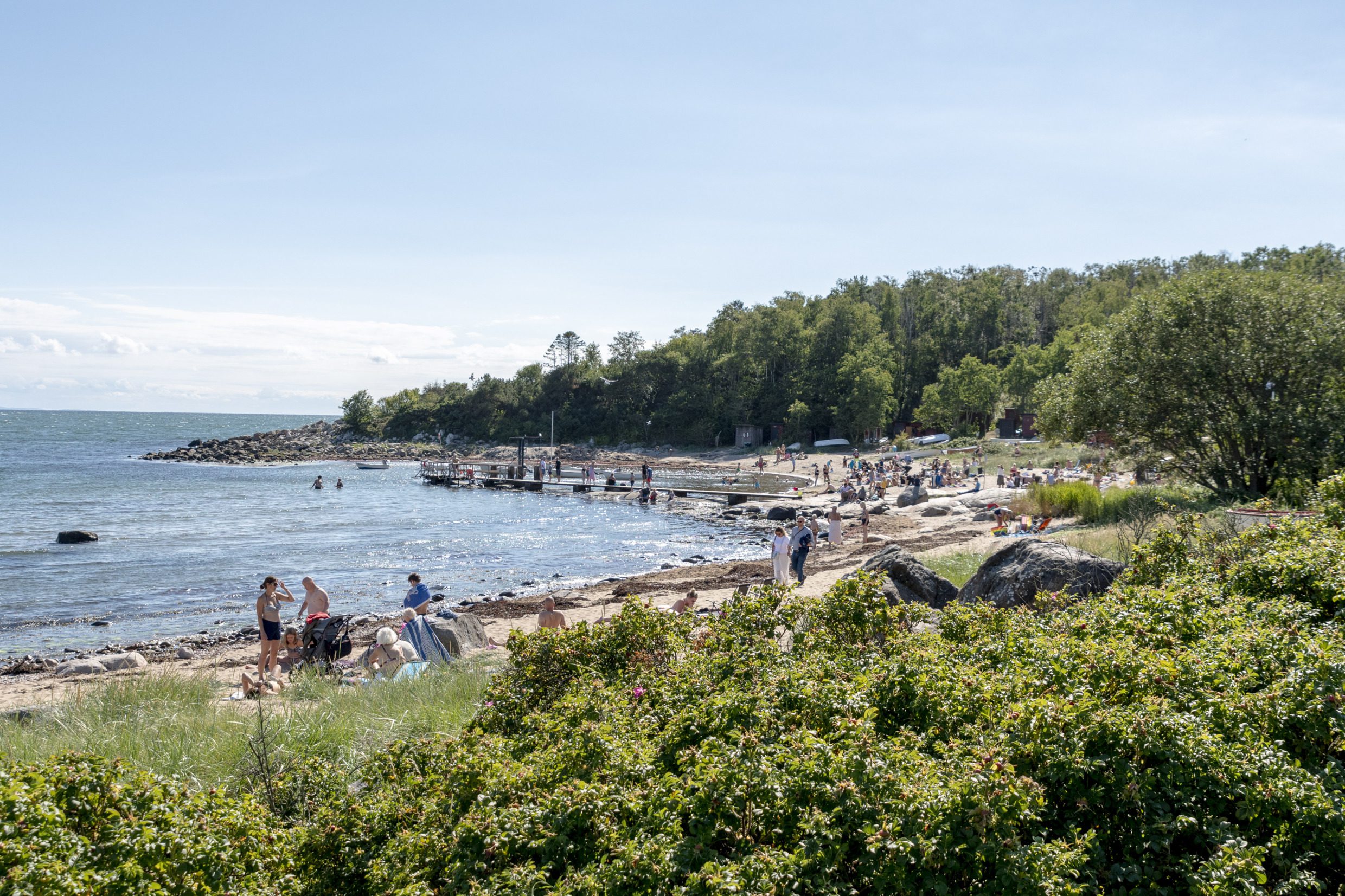
During the ALA lifeguard training program, participants learn a full set of rescue, CPR/AED, and First Aid skills.
These skills prepare lifeguards for real-life emergencies in Sweden’s lakes, beaches, pools, and cold-water environments.
Would you like to read about: Lifeguard Training in Finland
A popular inner-city beach with seasonal lifeguards.
A long sandy beach near the city center, heavily visited in summer.
One of Sweden’s most famous beaches with professional lifeguard services.
Known as the “Nordic Riviera,” it has large crowds and family activities.
Popular warm-water beaches require safety monitoring during peak seasons.
A major swimming area with rocky shores and diving spots.
The primary role of lifeguard training is to prepare individuals to protect swimmers and respond effectively during emergencies. Lifeguards in Sweden monitor aquatic environments, patrol swimming zones, and use equipment to ensure water safety.
The American Lifeguard Association is recognized globally as a leader in aquatic safety training. With more than 30 years of experience, ALA provides high-quality training that meets professional, safety, and international standards.
For lifeguard training in Sweden, if you are searching for “lifeguard training near me,” the American Lifeguard Association is the right choice. For more information about ALA lifeguard training and certification programs, please contact us.