
If you visit swimming pools, lakes, or waterparks in Rwanda, you’ll often see lifeguards on duty ensuring everyone’s safety. Their primary mission is to prevent accidents, provide immediate assistance in emergencies, and protect lives.
Lifeguard training in Rwanda by the American Lifeguard Association (ALA) helps individuals develop the skills required to respond effectively in aquatic emergencies and maintain safe swimming environments.
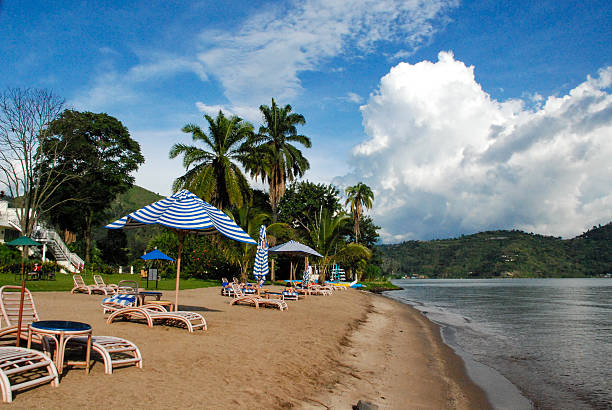
Rwanda is a land of lakes and water recreation spots, such as Lake Kivu, Gisenyi Beach, and Rubavu waterfronts, which attract locals and tourists alike. As water sports and tourism grow, so does the demand for skilled lifeguards to ensure safety and prevent drowning incidents.
Lifeguards serve at beaches, lakes, resorts, and public swimming pools across Rwanda, ensuring a secure environment for swimmers.
Training through the American Lifeguard Association opens doors to both national and international opportunities. ALA’s certification is globally respected and provides the foundation for a rewarding aquatic safety career.
With over 30 years of expertise, ALA has certified thousands of lifeguards worldwide, maintaining its commitment to professionalism, safety, and lifesaving excellence.
The American Lifeguard Association (ALA) is a globally recognized organization supported by Global Lifeguards and the Swimming Pool and Spa Foundation—two nonprofit organizations dedicated to improving aquatic safety.
The ALA’s mission is to make swimming pools, beaches, and aquatic facilities safer through standardized lifeguard education. The organization works directly with employers and aquatic centers worldwide, including in Africa, to promote water safety and prevent drowning.
The ALA’s training and standards are recognized by:
Its curriculum reflects the best international practices for aquatic safety and first aid.
To enroll in the ALA Lifeguard Training Program in Rwanda, candidates must meet minimum qualifications and demonstrate water competency.
Minimum Age Requirements:
ALA Prerequisite Skills:
Upon completion, each participant receives:
All certifications are valid for two years and are recognized internationally.
Lifeguarding in Rwanda offers more than seasonal work; it’s a career path with growing opportunities as aquatic facilities expand across the country.
Certified lifeguards can work in resorts, hotels, waterparks, and schools with pools. Some also progress to become:
These roles allow professionals to build stable, fulfilling careers while contributing to community safety and public health.
The ALA Lifeguard Training Program equips trainees with essential lifesaving and emergency management skills.
Trainees complete real-life scenarios, gaining hands-on confidence to handle emergencies effectively.
Would you like to read about: Lifeguard Training in Uganda
Rwanda offers several picturesque swimming and recreation spots that require trained lifeguards to ensure safety:
The goal of lifeguard training in Rwanda is to develop professionals dedicated to protecting lives and preventing aquatic emergencies. Lifeguards serve as the first line of defense in ensuring safe recreational environments.
The American Lifeguard Association (ALA) stands out as a leading global training provider, delivering world-class certifications and practical safety education.
If you are looking for “lifeguard training near me” in Rwanda, the ALA offers internationally recognized programs designed to prepare you for success.
For more information on lifeguard courses and registration, contact the American Lifeguard Association today and begin your journey toward becoming a certified lifeguard.