
If you visit beaches or swimming pools in Myanmar, you will notice lifeguards on duty to ensure everyone’s safety. The lifeguard’s essential job is to help prevent accidents and respond quickly in emergencies, which requires specialized training. Lifeguard training in Myanmar serves this purpose—preparing individuals to protect swimmers at beaches, resorts, and swimming pools across the country.
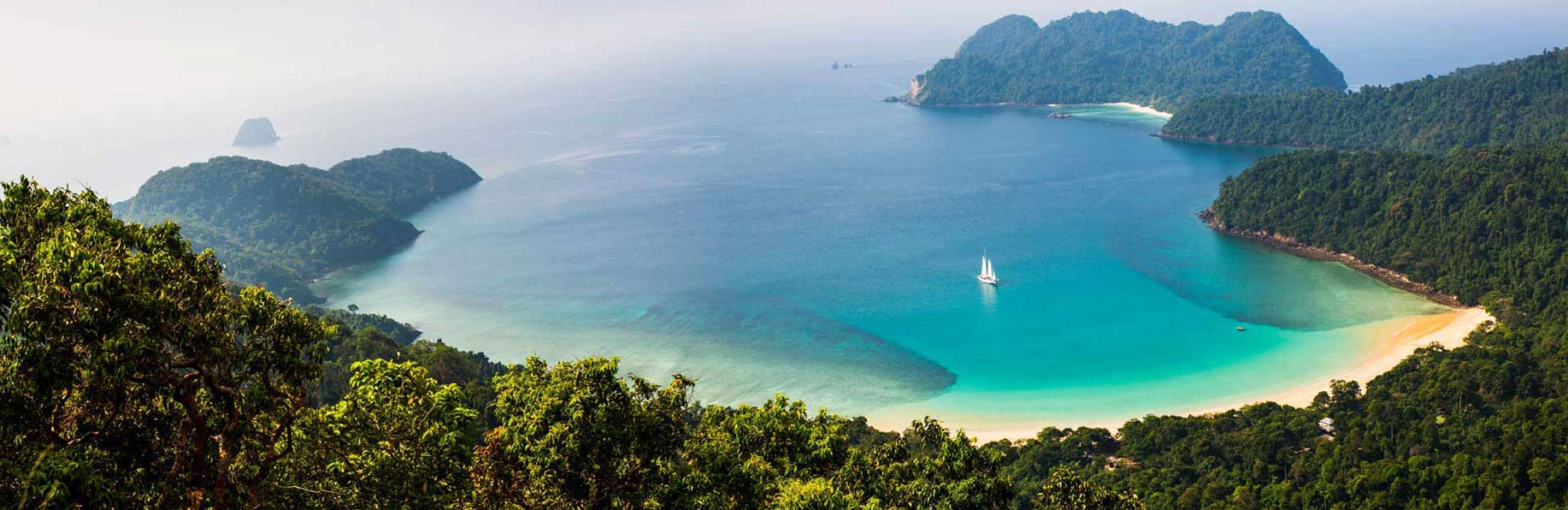
Myanmar is blessed with a beautiful coastline stretching over 1,900 kilometers along the Bay of Bengal and the Andaman Sea. From the famous Ngapali Beach to the serene shores of Chaung Tha and Ngwe Saung, water recreation is an integral part of local and tourist life. This abundance of aquatic destinations creates a growing demand for trained lifeguards, especially during the busy holiday and tourist seasons.
Lifeguards in Myanmar work at beaches, hotels, resorts, and swimming pools to ensure the safety of swimmers and visitors. With tourism increasing each year, the role of professional lifeguards has become essential for maintaining safety at Myanmar’s popular coastal and resort destinations.
Lifeguard training in Myanmar is the first step toward a meaningful and respected career in aquatic safety. Once certified by a trusted organization such as the American Lifeguard Association (ALA), individuals can pursue employment at beaches, resorts, and waterparks throughout the country.
ALA training centers in Myanmar offer multiple lifeguard certification programs, including specialized water rescue and CPR training. While demand peaks during the summer and tourist seasons, indoor pools and hotels offer year-round employment opportunities.
With over 30 years of experience, the American Lifeguard Association has trained lifeguards worldwide. Certification from ALA is recognized internationally and demonstrates professionalism, skill, and a commitment to public safety.
The American Lifeguard Association (ALA) is supported by Global Lifeguards and the Swimming Pool and Spa Foundation, both nonprofit organizations (501(c)(3)) dedicated to preventing drownings and promoting aquatic safety.
ALA’s mission is to make swimming pools, beaches, and aquatic environments safer. To achieve this, ALA collaborates with employers across Asia and North America to establish standardized safety practices and lifeguard training programs.
The ALA has been referenced by multiple public safety organizations, including:
standards and incorporated the latest ECC science into its training programs. ALA courses also align with the Model Aquatic Health Code (MAHC) recommendations for pre-service and in-service lifeguard training.
To enroll in the American Lifeguard Association’s lifeguard training course in Myanmar, candidates must meet the following eligibility requirements:
Candidates must also demonstrate the following ALA prerequisite swimming skills to successfully complete the program:
Swimming Requirements:
Timed Event:
Upon successful completion, participants receive an ALA Certificate in Lifeguarding, CPR/AED for the Professional Rescuer, and First Aid, valid for two years.
Many people consider lifeguarding a part-time or seasonal job, but in Myanmar, it can become a long-term professional career. Lifeguards can work at hotels, resorts, and aquatic centers throughout the year and may advance into leadership positions such as:
These advanced roles offer higher salaries, leadership experience, and opportunities to promote public safety and awareness in aquatic environments.
During the ALA lifeguard training course, participants develop a broad set of rescue, first aid, and emergency response skills to manage any aquatic emergency confidently.
Would you like to read about: Lifeguard Training in Bangladesh
Ngapali Beach:
Myanmar’s most popular beach, known for its white sand and clear blue waters. Lifeguards ensure the safety of swimmers and tourists daily.
Ngwe Saung Beach:
A long stretch of pristine coastline with hotels and resorts where trained lifeguards monitor public swimming areas.
Chaung Tha Beach:
A busy local favorite where lifeguards are essential to handle high visitor numbers during weekends and holidays.
Kanthaya Beach:
Less crowded but scenic and natural, where lifeguards help maintain safety in designated swimming zones.
Maungmagan Beach (Dawei):
Located in southern Myanmar, this growing tourist destination benefits from seasonal lifeguard presence.
Po Po Kyun Island Beach:
A new tourist spot where trained lifeguards assist swimmers and water sports enthusiasts.
Setse Beach:
A family-friendly beach along the Mon State coastline where lifeguards ensure safe swimming conditions.
Gwa Beach:
A peaceful and remote beach with increasing popularity among tourists, requiring trained lifeguard support.
The primary goal of lifeguard training is to prepare individuals to save lives and maintain safe swimming environments. Lifeguards in Myanmar play a vital role in protecting both locals and tourists across the country’s coastal regions and resorts.
The American Lifeguard Association (ALA) is recognized as one of the leading organizations in aquatic safety and health. With over 30 years of experience, ALA continues to provide high-quality, internationally respected training that emphasizes safety, ethics, and professionalism.
For lifeguard training in Myanmar, if you are searching for “lifeguard training near me,” the American Lifeguard Association is your trusted choice. For more details about ALA lifeguard certification and training programs, please contact us.