
When you visit a beach or a swimming pool, you will almost always see one or more lifeguards on duty, carefully watching over swimmers. The primary responsibility of a lifeguard is to prevent accidents and respond effectively to emergencies, which makes professional training essential. Lifeguard training in Bleckley County exists to prepare individuals to protect swimmers at beaches, lakes, waterparks, and swimming pools.
Bleckley County is home to places where swimming is a favorite way to cool off and have fun, especially during the warmer months. Whether people are visiting local swimming pools, waterparks, or nearby lakes, aquatic activity brings the need for trained professionals who can protect swimmers and respond quickly in emergencies. That’s why a strong team of lifeguards is so important in Bleckley County—lifeguards are responsible for monitoring the water, preventing accidents, and keeping every swimmer safe. As the swimming season becomes busier in summer, the demand for qualified lifeguards in Bleckley County increases even more.
Lifeguards play a critical role at beaches, lakes, waterparks, and swimming pools by ensuring swimmer safety. Across the Bleckley County, aquatic recreation areas are abundant, and Bleckley County is no exception. The county offers multiple locations where trained lifeguards are needed to maintain safe swimming environments.
Lifeguard training in Bleckley County is an important first step for anyone interested in building a successful career in the aquatic field. After earning lifeguard certification from a respected organization such as the American Lifeguard Association (ALA), individuals can pursue numerous employment opportunities.
ALA training centers provide a variety of lifeguard courses and certifications. Although lifeguard training in Bleckley County is most popular during the summer months, year-round opportunities exist due to indoor pools and ongoing aquatic programs.
Certification through the American Lifeguard Association enhances employability, as many employers recognize ALA’s reputation. With more than 30 years of experience, ALA has trained lifeguards who now serve communities worldwide.
Lifeguard training offered by the American Lifeguard Association includes a comprehensive range of essential lifesaving skills. ALA is supported by Global Lifeguards and the Swimming Pool and Spa Foundation, both recognized 501(c)(3) nonprofit organizations committed to aquatic safety.
The main mission of ALA is to reduce drowning incidents and promote safer swimming environments at pools, beaches, and waterways. To support this mission, ALA collaborates directly with employers across the nation to prepare professional lifeguards.
Over the years, the American Lifeguard Association has been featured on the CDC Healthy Swimming website. Additionally, the U.S. Department of Labor and the U.S. General Service Administration (GSA) have acknowledged that ALA lifeguard certification programs are comparable to those offered by the American Red Cross. Since the early 1990s, ALA has ensured that its programs comply with Occupational Safety and Health Administration (OSHA) requirements.
ALA training programs are based on ECC scientific research and findings from the Bleckley County Lifeguard Training Standards Coalition Report. Employers participating in ALA programs must also meet Model Aquatic Health Code (MAHC) guidelines, including pre-service evaluations and ongoing in-service training.
Before discussing the skills taught, it is important to understand the requirements for enrolling in lifeguard training.
To enroll in lifeguard training, U.S. labor laws require candidates to meet minimum age standards:
15 years or older to work at swimming pools, waterparks, or lakes
16 years or older to work at beaches or waterfront facilities
Candidates must successfully demonstrate the following swimming skills to complete the course:
Swim 300 yards continuously, using these strokes in the following order:
100 yards of front crawl with rhythmic breathing and a stabilizing, propellant kick
100 yards of breaststroke using a pull, breath, kick, and glide sequence
100 yards of either front crawl or breaststroke (or a combination of both)
Complete a timed skill test:
Start in the water and swim 20 yards using front crawl or breaststroke
Surface dive 7–10 feet to retrieve a 10-pound object
Return to the surface and swim 20 yards back with the object
Exit the water without using steps or a ladder
Complete all steps within 1 minute and 40 seconds
After successfully completing the course, participants receive an American Lifeguard Certificate in Lifeguarding, CPR/AED for the Professional Rescuer, and First Aid, valid for two years.
Many people consider lifeguarding a seasonal summer job, especially for students, but it can also develop into a long-term profession. Lifeguards who seek year-round employment often work at indoor pools or aquatic facilities.
With additional certifications, lifeguards can advance into higher-paying positions such as water safety instructors, swim coaches, or aquatic supervisors. These roles provide greater responsibility and career growth opportunities within the aquatic industry.
Participants enrolled in American Lifeguard Association courses receive hands-on training in a wide range of lifesaving techniques.
Slide-In Entry
Stride Jump and Compact Jump
Rescue Approach (Front Crawl or Breaststroke)
Simple Assist
Extension Assist from the Deck
Reaching and Throwing Assists
Swimming Extension Rescue
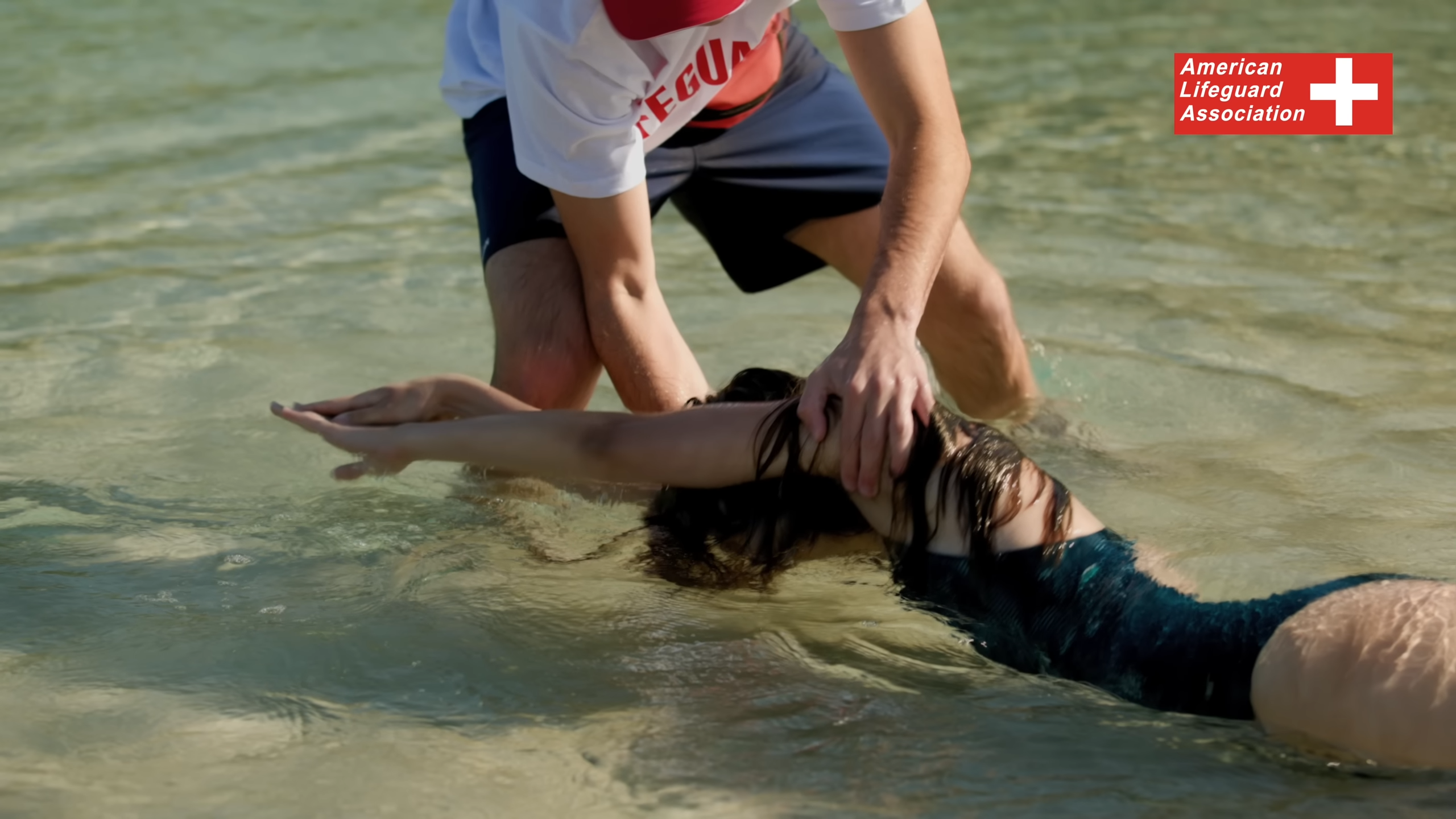
Active and Passive Drowning Victim Rescues
Two-Person Removal Using a Backboard
Passive Submerged Victim in Shallow Water
Multiple-Victim Rescue
Feet-First Surface Dive
Submerged Victim Rescue in Deep Water
Front and Rear Head-Hold Escapes
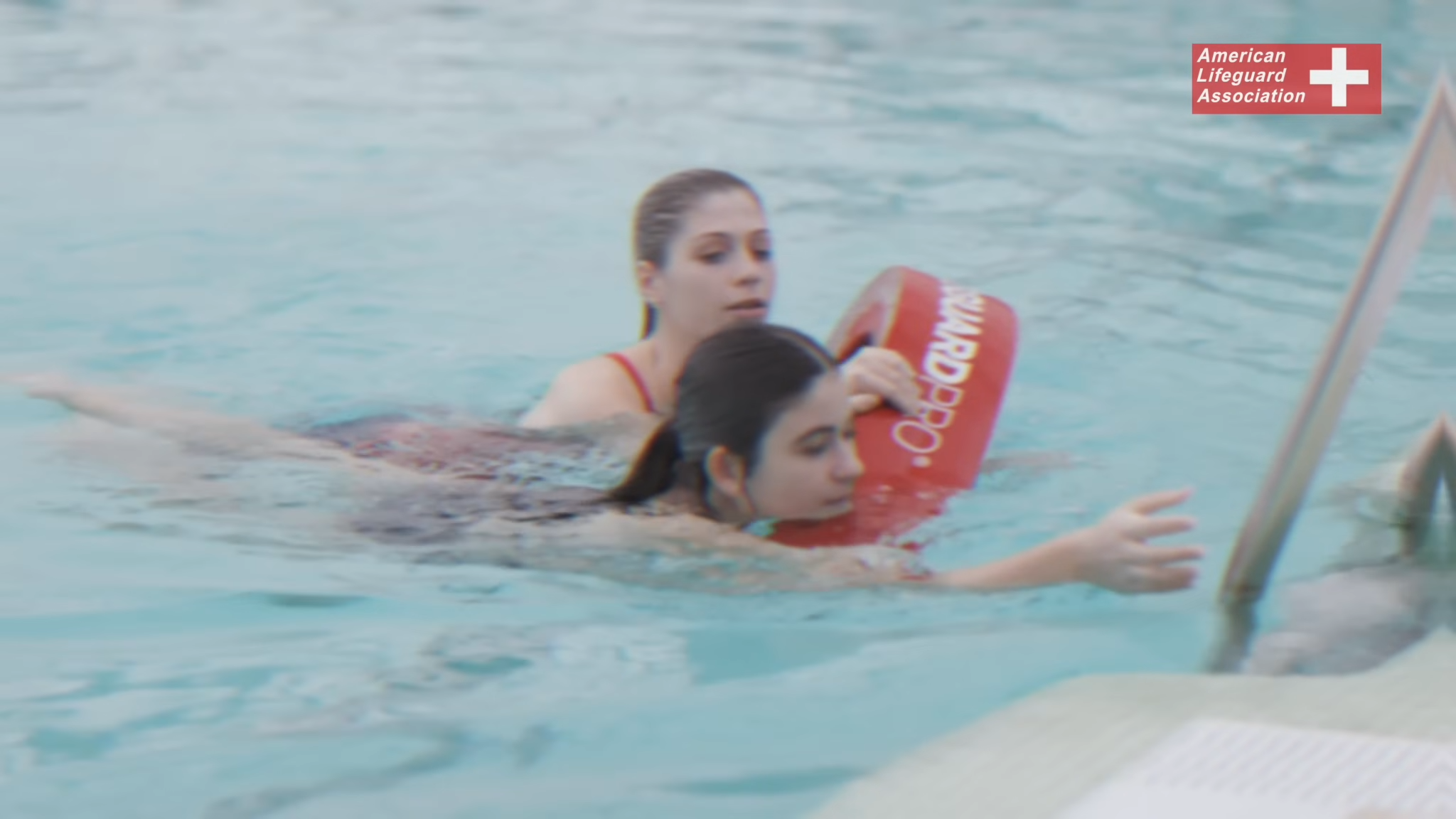
Manual In-Line Stabilization on Land (Lying, Sitting, Standing)
Backboarding a Standing Victim on Land
Head Splint Techniques (Face-Up and Face-Down, Shallow and Deep Water)
Head and Chin Support Techniques
In-Line Stabilization for Submerged Victims
Using a Backboard in Shallow and Deep Water
Removing Gloves
Initial Assessment
Rescue Breathing (Adult, Child, Infant)
Bag-Valve-Mask Resuscitation (Two Rescuers)
Conscious and Unconscious Choking Care
One-Rescuer and Two-Rescuer CPR
AED Use for Adults and Children
Secondary Assessment
Controlling External Bleeding
Applying Slings and Binders
Applying Anatomic and Soft Splints
Active Drowning Victim Rescue
Submerged Passive Drowning Victim Rescue
Head, Neck, or Back Injury Scenario
The main objective of lifeguard training is to ensure the safety of all swimmers within a lifeguard’s assigned area. Lifeguards often monitor their surroundings from elevated chairs to improve visibility, while open-water lifeguards may patrol larger areas. Tools such as binoculars are commonly used to assist with surveillance.
The American Lifeguard Association is widely recognized as one of the leading aquatic safety training providers in the Bleckley County. With over 30 years of experience, ALA follows a strict code of ethics and remains dedicated to delivering high-quality health and safety education worldwide.
If you are searching online for “lifeguard training near me” in Bleckley County, the American Lifeguard Association is an excellent choice. For more details about ALA lifeguard training and certification programs, please feel free to contact us.