
If you visit beaches or swimming pools in the Wallis and Futuna Islands, you will notice lifeguards on duty ensuring that residents and tourists remain safe while enjoying the water. A lifeguard’s essential role is to help prevent accidents, enforce safety rules, and respond rapidly in emergencies, responsibilities that require proper professional training.
Lifeguard training in Wallis and Futuna fulfills this purpose by preparing individuals to protect swimmers at beaches, lagoons, hotel pools, sports complexes, and community aquatic facilities. These Pacific islands are surrounded by coral reefs, warm waters, and popular swimming areas, creating a continuous demand for trained and certified lifeguards.
Lifeguards serve across the islands at beaches, resorts, lagoons, and swimming pools to ensure that both locals and visitors stay safe. With many natural swimming spots and recreational water areas, there are ample opportunities for individuals who want to pursue lifeguarding as a meaningful and rewarding career.
Lifeguard training in Wallis and Futuna is the first step toward entering the field of aquatic safety. Once certified through the American Lifeguard Association (ALA), candidates become qualified to seek employment at resorts, beaches, community centers, schools, and aquatic clubs.
ALA offers internationally recognized certification and has trained lifeguards who now serve communities around the world. With more than 30 years of experience, ALA maintains a high standard of professionalism and safety.
The American Lifeguard Association (ALA) is supported by Global Lifeguards and the Swimming Pool and Spa Foundation, both nonprofit organizations dedicated to preventing drowning and improving global aquatic safety.
ALA’s mission is simple and impactful: make beaches, pools, and waterways safer for all. To achieve this, ALA works closely with aquatic employers, resorts, and government agencies throughout North America and internationally.
ALA has been referenced by major organizations such as:
Uses the latest ECC science and follows the Model Aquatic Health Code (MAHC) requirements for professional training, pre-service evaluations, and in-service practice.
To join the ALA lifeguard training course in Wallis and Futuna, candidates must meet the following basic requirements:
Candidates must be able to:
Upon completion, each participant receives:
All certifications are valid for two years.
While many start lifeguarding as a part-time job, it can grow into a promising and long-term profession in Wallis and Futuna, where tourism and water activities are year-round. Lifeguards can find work at:
With additional training, lifeguards can advance into higher-level roles such as:
These leadership roles offer higher pay, greater responsibility, and the opportunity to positively contribute to public safety.
ALA’s training program is designed to build real-life rescue confidence through hands-on practice. Students learn essential water safety and emergency response skills.
These skills ensure that lifeguards are fully prepared to respond to emergencies in both natural lagoons and swimming pool environments.
Would you like to read about: Lifeguard Training in Samoa
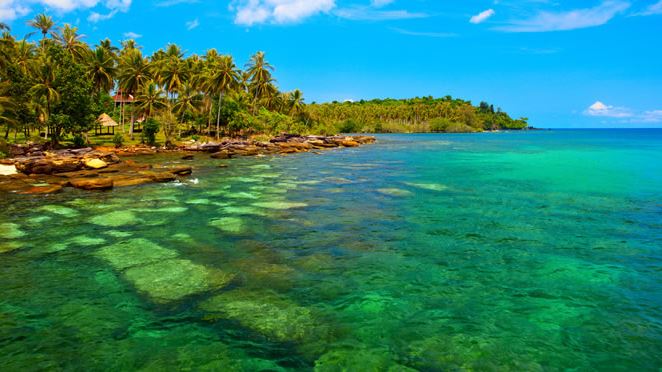
Wallis and Futuna Islands are known for their tropical lagoons, coral reefs, and serene beaches. Although not all locations have lifeguards, these areas benefit greatly from trained safety professionals:
With increasing tourism interest, the presence of trained lifeguards is becoming more essential.
The core purpose of lifeguard training is to ensure the safety of swimmers and water enthusiasts. Lifeguards in the Wallis and Futuna Islands monitor beaches, pools, and lagoons, use rescue equipment when necessary, and maintain a watchful eye over all aquatic activities.
The American Lifeguard Association is recognized as a leading global provider of aquatic safety training. With more than three decades of experience, ALA continues to uphold high standards in professional lifeguard certification.
If you are searching for “lifeguard training near me in Wallis and Futuna Islands”, the American Lifeguard Association (ALA) is the best choice for internationally recognized training programs.
For more information or to enroll in a training session, please contact ALA today.