
If you visit the stunning beaches, resorts, or swimming pools across the Turks and Caicos Islands, you’ll notice lifeguards on duty ensuring everyone’s safety. These trained professionals prevent accidents, monitor swimmers, and respond quickly during emergencies.
Lifeguard training in the Turks and Caicos Islands by the American Lifeguard Association (ALA) prepares individuals to protect lives in aquatic environments from resort beaches and lagoons to public and private pools.
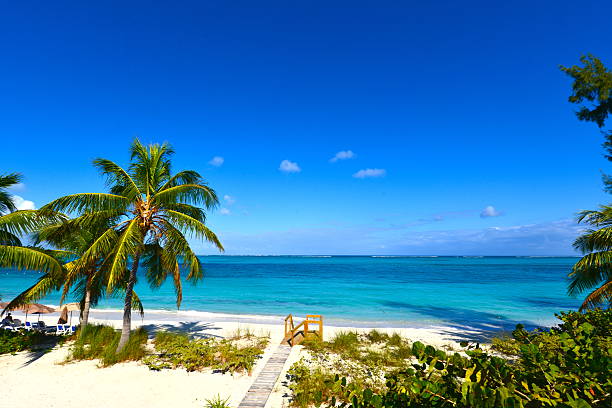
The islands are home to some of the world’s most beautiful beaches, including Grace Bay, Long Bay, and Sapodilla Bay, making water recreation a daily lifestyle for both locals and tourists. With tourism and aquatic activities on the rise, the demand for trained and certified lifeguards continues to grow throughout the islands.
Lifeguards in the Turks and Caicos Islands are responsible for maintaining safety at beaches, waterparks, resorts, and community pools. They play a vital role in preventing drownings and responding to water-related emergencies.
With year-round warm weather and turquoise waters, swimming, snorkeling, and diving are popular activities. This means there is a constant need for skilled, certified lifeguards, not just during the season.
The American Lifeguard Association (ALA) provides internationally recognized certification that opens opportunities to work both locally and worldwide.
For over 30 years, ALA has trained thousands of lifeguards across the globe, giving them the expertise and confidence to manage aquatic safety in diverse environments.
The American Lifeguard Association (ALA) is a respected international organization dedicated to reducing drownings and improving aquatic safety. It is supported by Global Lifeguards and the Swimming Pool and Spa Foundation, both nonprofit organizations committed to public health.
ALA’s mission is to make beaches, pools, and waterways safer through advanced education, training, and global collaboration.
The organization’s work has been recognized by major health and safety authorities, including:
And follow the Model Aquatic Health Code (MAHC). The curriculum is continuously updated based on the latest ECC science and global water safety reports to ensure excellence.
To join the ALA lifeguard training program in the Turks and Caicos Islands, candidates must meet the following criteria:
Upon successful completion, participants earn:
Lifeguarding can be more than just a summer job; it’s a pathway to a fulfilling career in aquatic safety, recreation, and hospitality.
Certified lifeguards can advance to roles such as:
The Turks and Caicos Islands offer year-round employment opportunities at luxury resorts, cruise ports, private beaches, and marine parks, allowing lifeguards to grow professionally while contributing to public safety.
ALA’s comprehensive lifeguard training combines classroom learning with hands-on water experience, ensuring candidates are ready to handle any aquatic emergency.
By mastering these skills, lifeguards in the Turks and Caicos Islands can ensure safe and enjoyable water environments for residents and tourists alike.
The primary goal of lifeguard training is to prepare individuals to prevent accidents and respond swiftly during emergencies. Lifeguards in the Turks and Caicos Islands are true guardians of the ocean, maintaining safety for swimmers and promoting responsible water recreation.
The American Lifeguard Association (ALA) stands as a global leader in aquatic health and safety training, providing trusted certifications recognized across resorts and international facilities.
If you’re seeking lifeguard training in the Turks and Caicos Islands, the ALA certification is your pathway to a meaningful, skill-based career that saves lives.
For more details about registration and course schedules, contact the American Lifeguard Association today.