
If you visit beaches or swimming pools in Trinidad and Tobago, you will notice lifeguards protecting swimmers and ensuring safety. The lifeguard’s essential role is to prevent accidents and respond quickly in emergencies, which requires professional training. Lifeguard training in Trinidad and Tobago prepares individuals to safeguard swimmers at beaches, hotels, waterparks, rivers, and community pools.
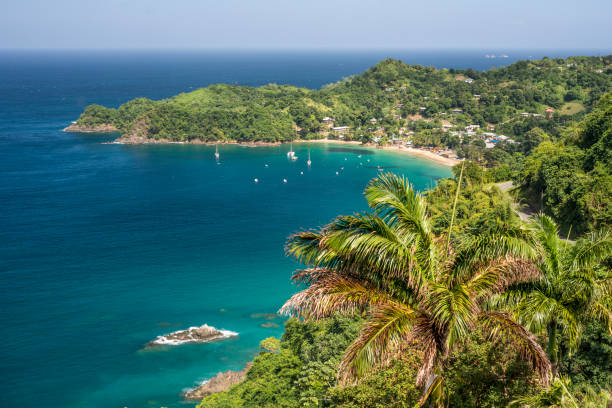
Trinidad and Tobago is home to beautiful coastlines, warm Caribbean waters, and a thriving tourism industry. From the calm bays of Tobago to Trinidad’s busy recreational beaches, swimming and water activities are part of everyday life. This creates a strong demand for properly trained and certified lifeguards throughout the year.
Lifeguards in the islands work at beaches, resorts, riverside swimming spots, waterparks, and community pools to ensure public safety. With so many aquatic environments, there are many opportunities for those who wish to pursue lifeguarding as a meaningful and rewarding role.
Lifeguard training in Trinidad and Tobago is the first step toward a professional aquatic career. Once certified by a respected organization such as the American Lifeguard Association (ALA), candidates become eligible for employment at beaches, hotels, aquatic centers, and tourism facilities.
ALA training partners in the Caribbean offer ongoing lifeguard programs and certifications. Due to the islands’ tropical climate, swimming is common year-round, creating consistent opportunities for training and employment.
With over 30 years of experience, ALA has trained lifeguards worldwide. ALA certification is recognized by employers internationally and demonstrates safety competence and professionalism.
The American Lifeguard Association is supported by Global Lifeguards and the Swimming Pool and Spa Foundation, nonprofit organizations dedicated to reducing drownings and improving aquatic safety worldwide.
ALA’s mission is to make beaches, pools, and waterways safer. To achieve this, ALA works with employers throughout North America and the Caribbean to train lifeguards and implement effective water safety programs.
ALA is referenced by recognized public institutions, including:
And the latest ECC science. Training also includes global lifeguard guidelines and modern aquatic safety practices.
To enroll in ALA lifeguard training in Trinidad and Tobago, candidates must meet the general age requirements:
Candidates must also demonstrate the following ALA prerequisite skills:
Upon completion, participants receive an ALA Lifeguarding Certificate, CPR/AED for the Professional Rescuer, and First Aid certificate, valid for two years.
While many start lifeguarding seasonally, it can develop into a long-term aquatic career. The islands offer year-round opportunities at:
Advanced roles include:
These positions offer leadership potential, better income, and the chance to positively impact public safety.
ALA’s program trains candidates in essential Rescue, CPR/AED, and First Aid skills.
Would you like to read about: Lifeguard Training in Venezuela
One of the most popular beaches is known for its waves and strong currents.
A calm, family-friendly beach frequently monitored by lifeguards.
A busy tourist beach with excellent swimming areas and strong safety supervision.
A world-famous beach with turquoise water; lifeguard presence is essential.
Beautiful and remote—requires trained lifeguards due to changing currents.
Lifeguard training aims to prepare individuals to keep swimmers safe in all aquatic environments. In Trinidad and Tobago, lifeguards monitor beaches, resort pools, coastal waters, and marine activity zones.
With decades of global experience, the American Lifeguard Association remains a trusted provider of lifeguard training. If you’re searching for “lifeguard training near me” in Trinidad and Tobago, ALA is an excellent choice.